

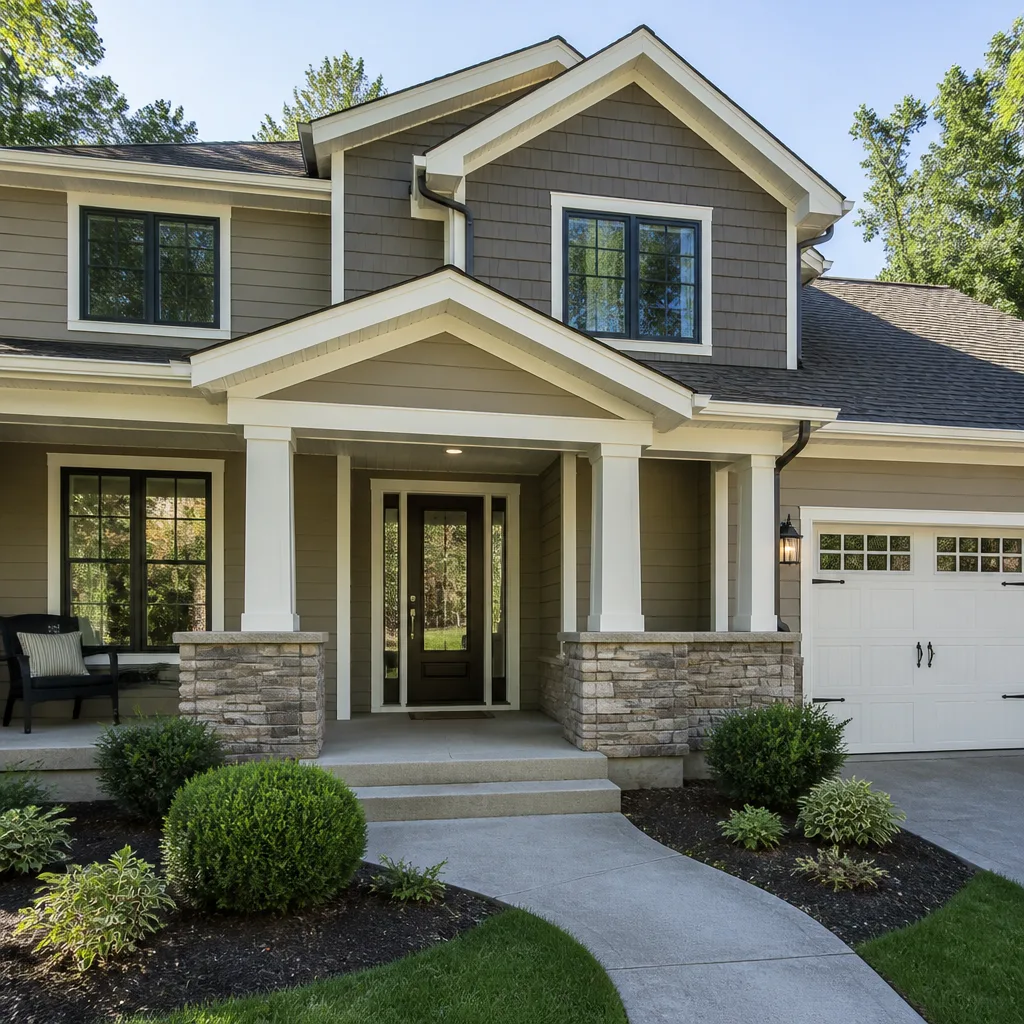
 Fire & smoke cleanup
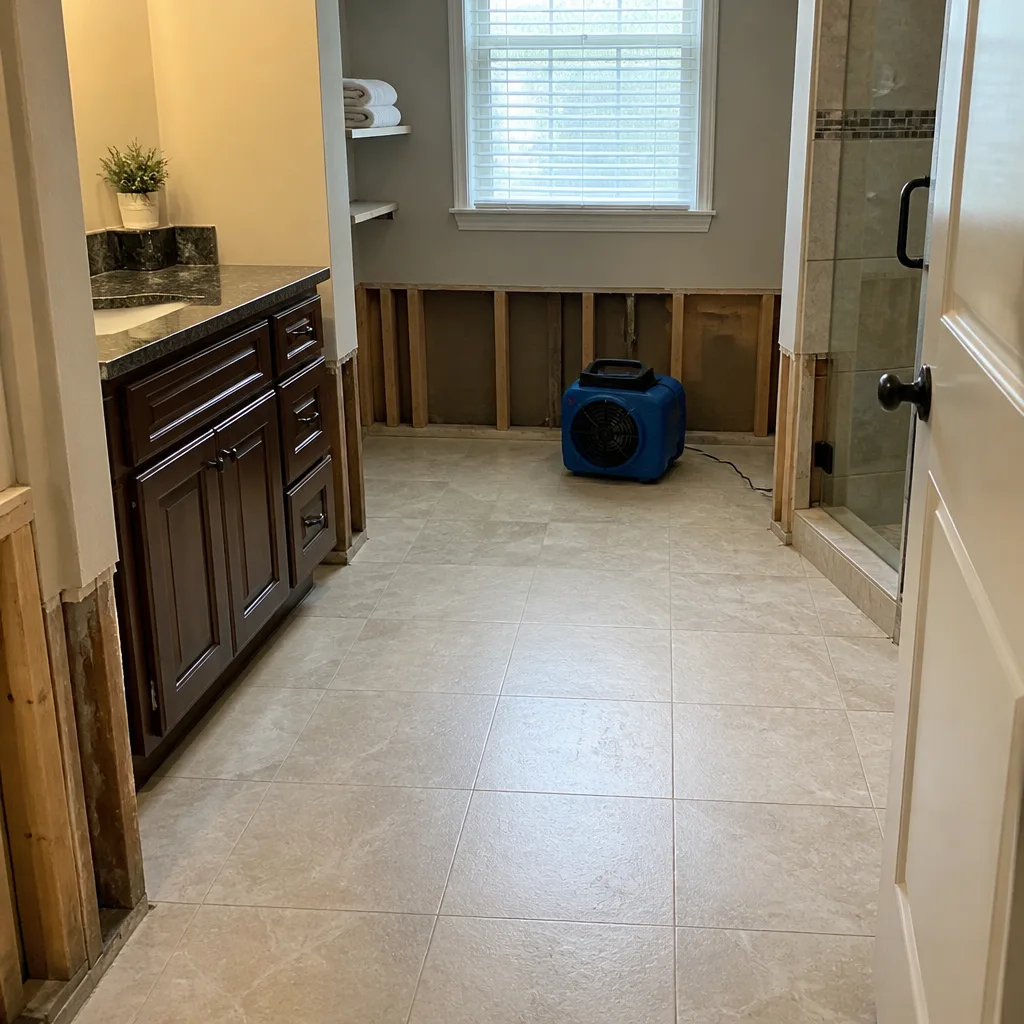
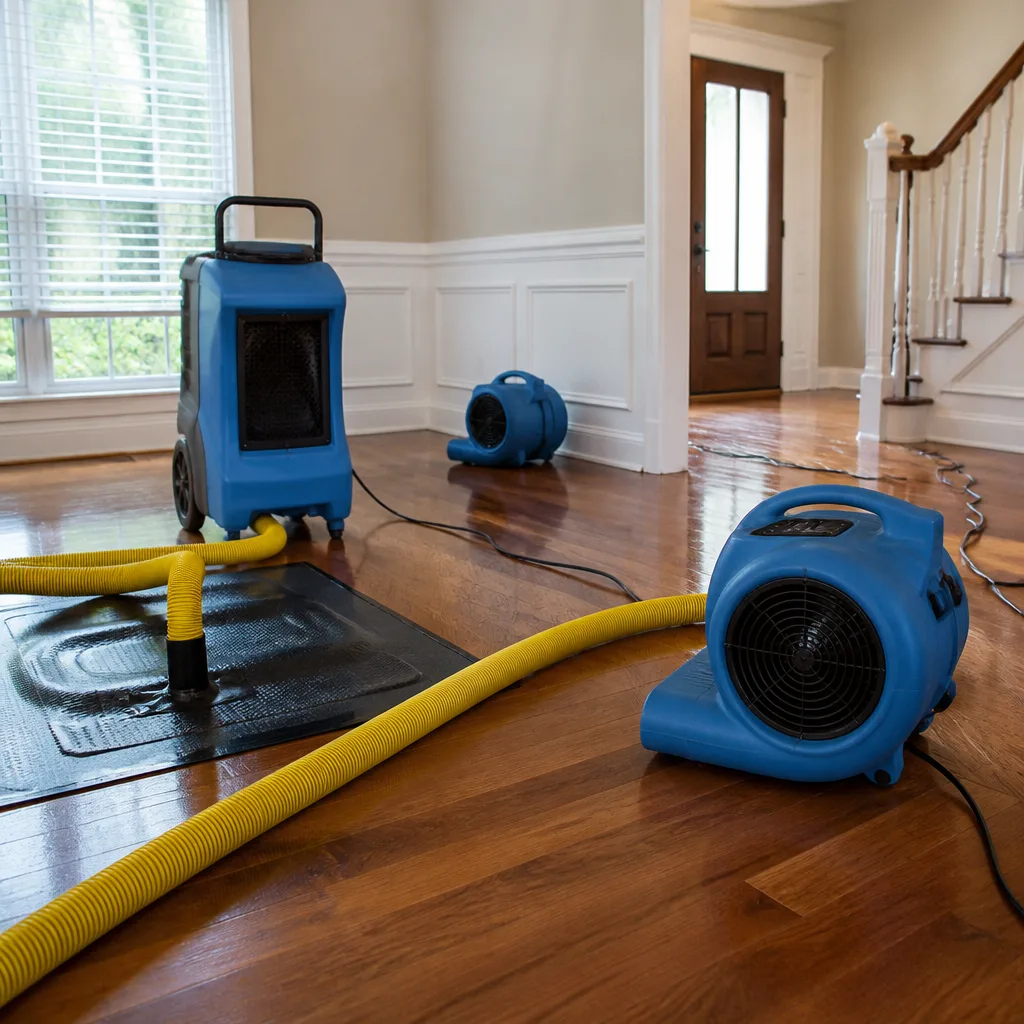 Water damage drying
 Mold remediation
 Storm response
 Sewage cleanup
 Reconstruction
Free visual inspection and a written scope of work before any mitigation begins - photos, moisture readings, and drying logs go in your claim file
The scope we write is the scope we bill. Anything new gets shown to you, in writing, before we touch it.
Get your free estimateRestoration work we handle
See the difference
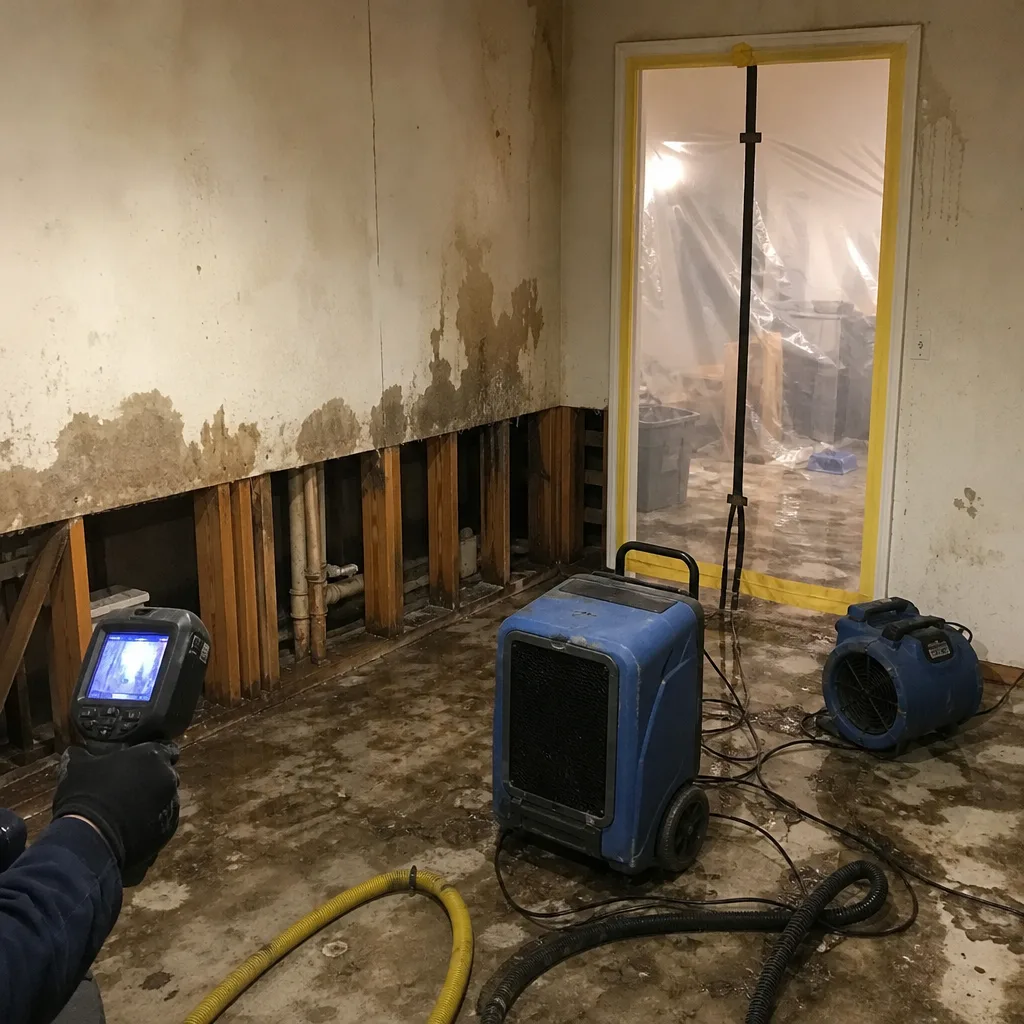 Before
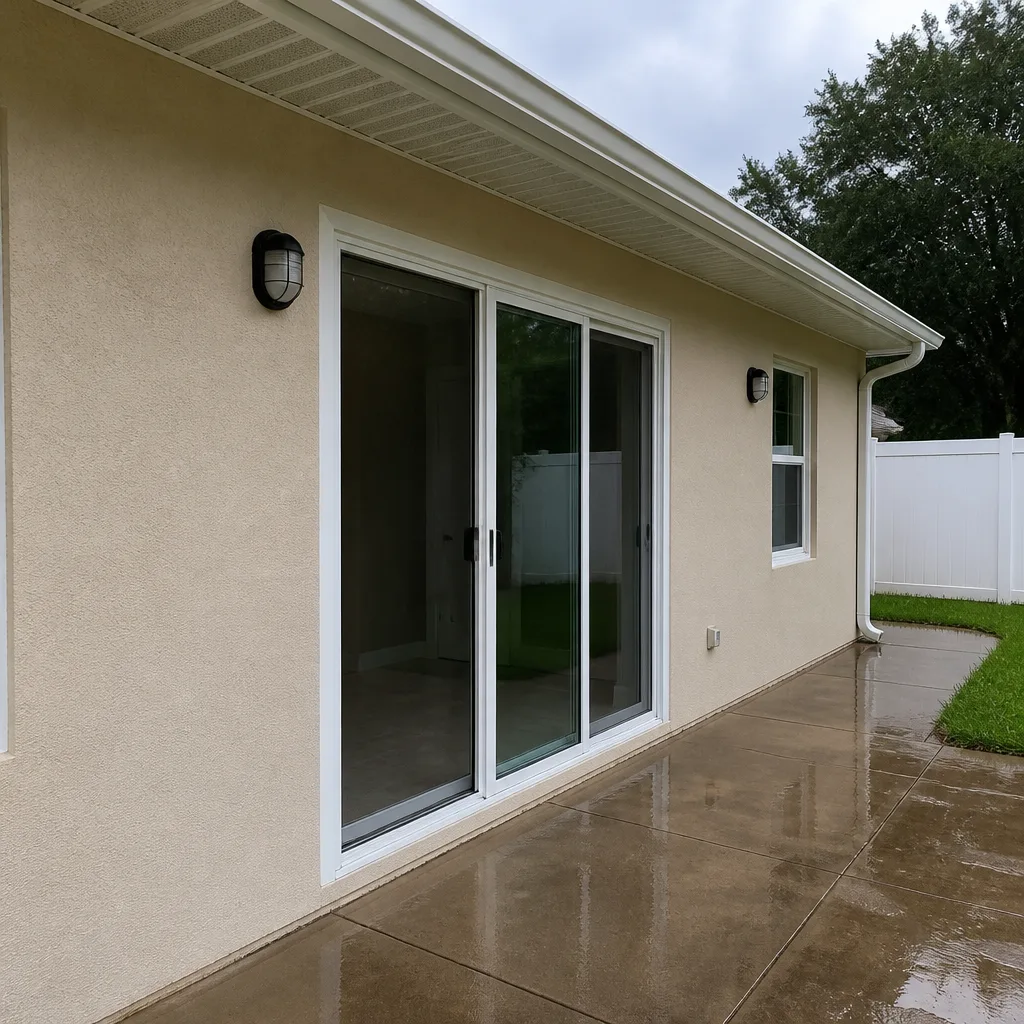 After
After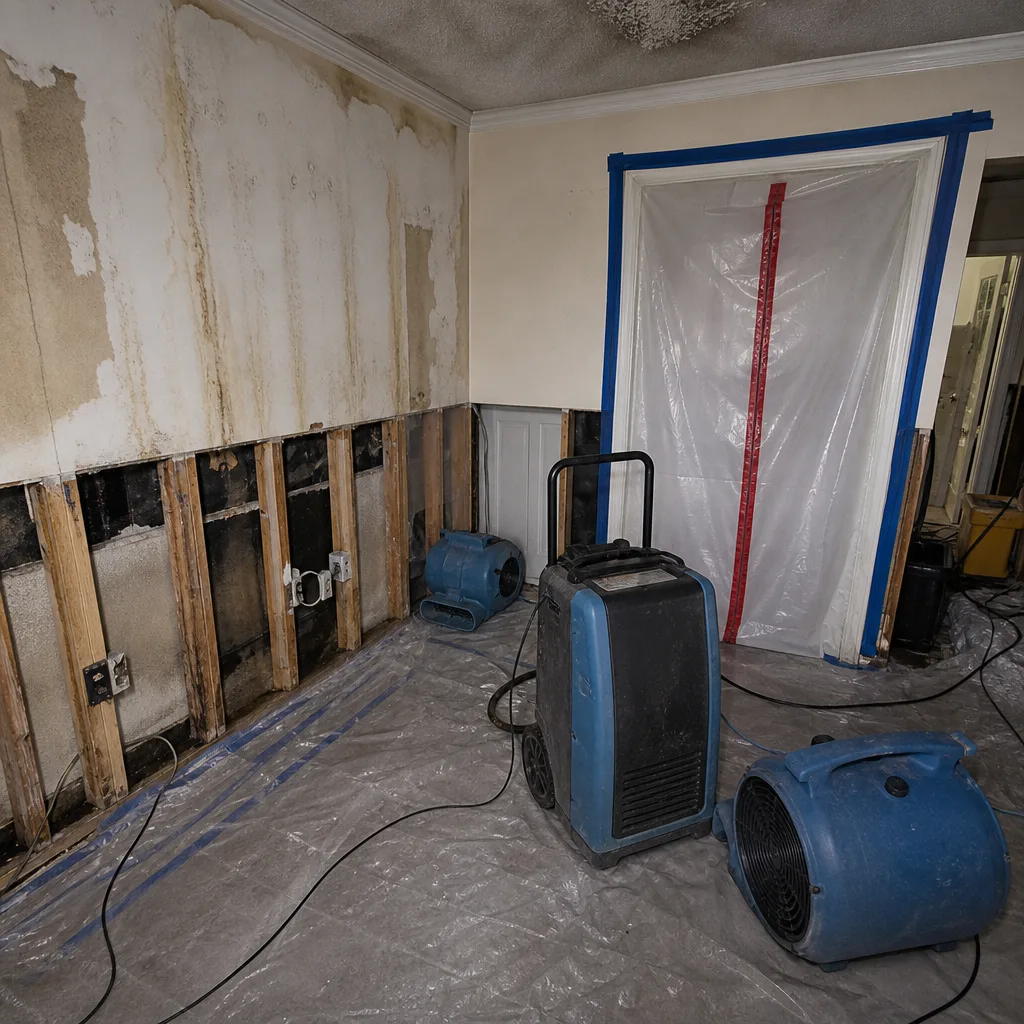 Before
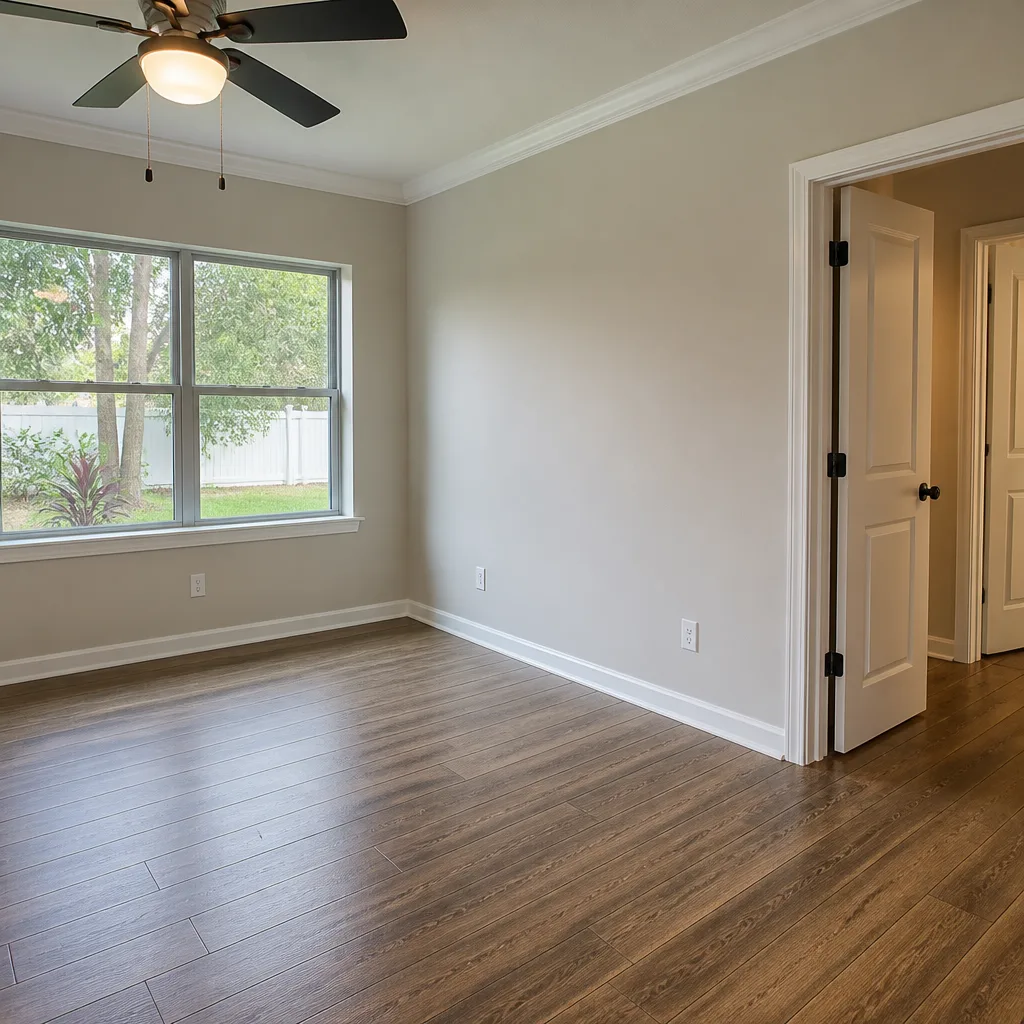 After
After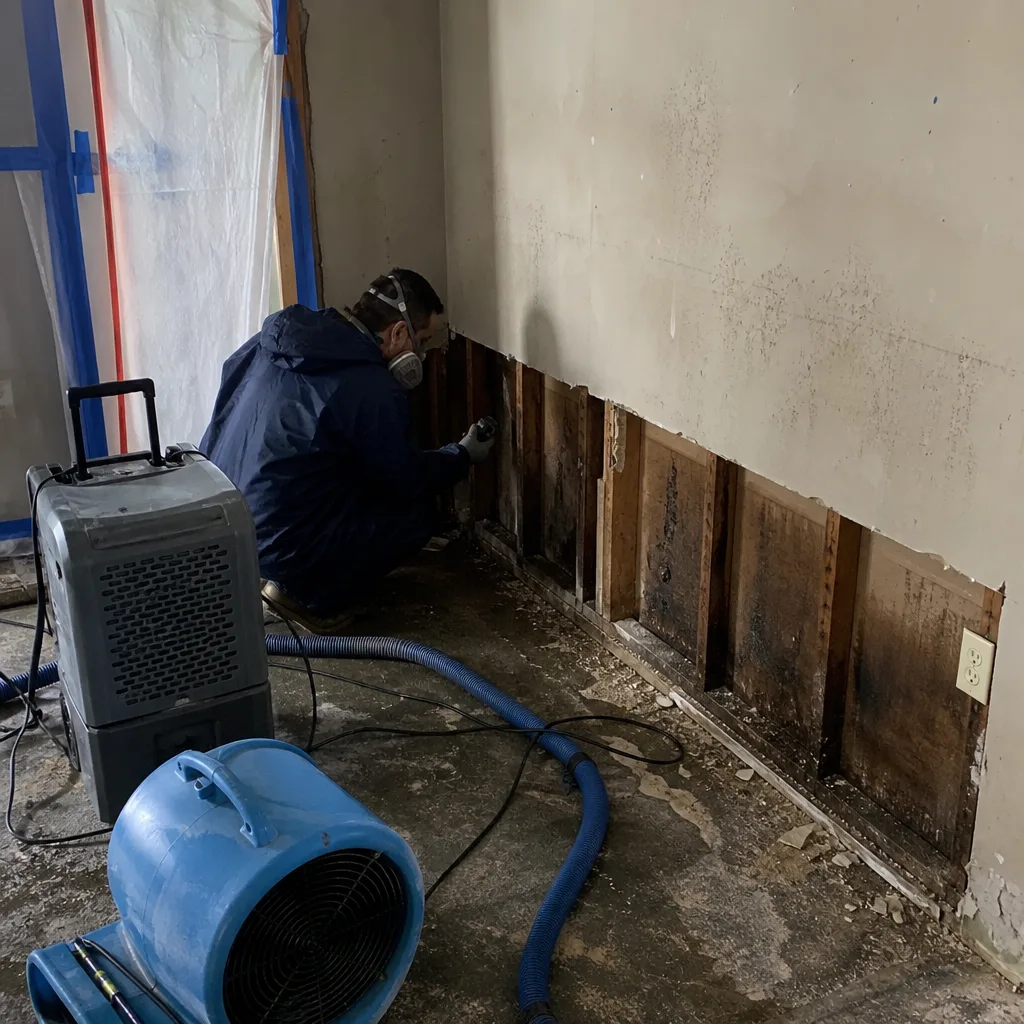 Before
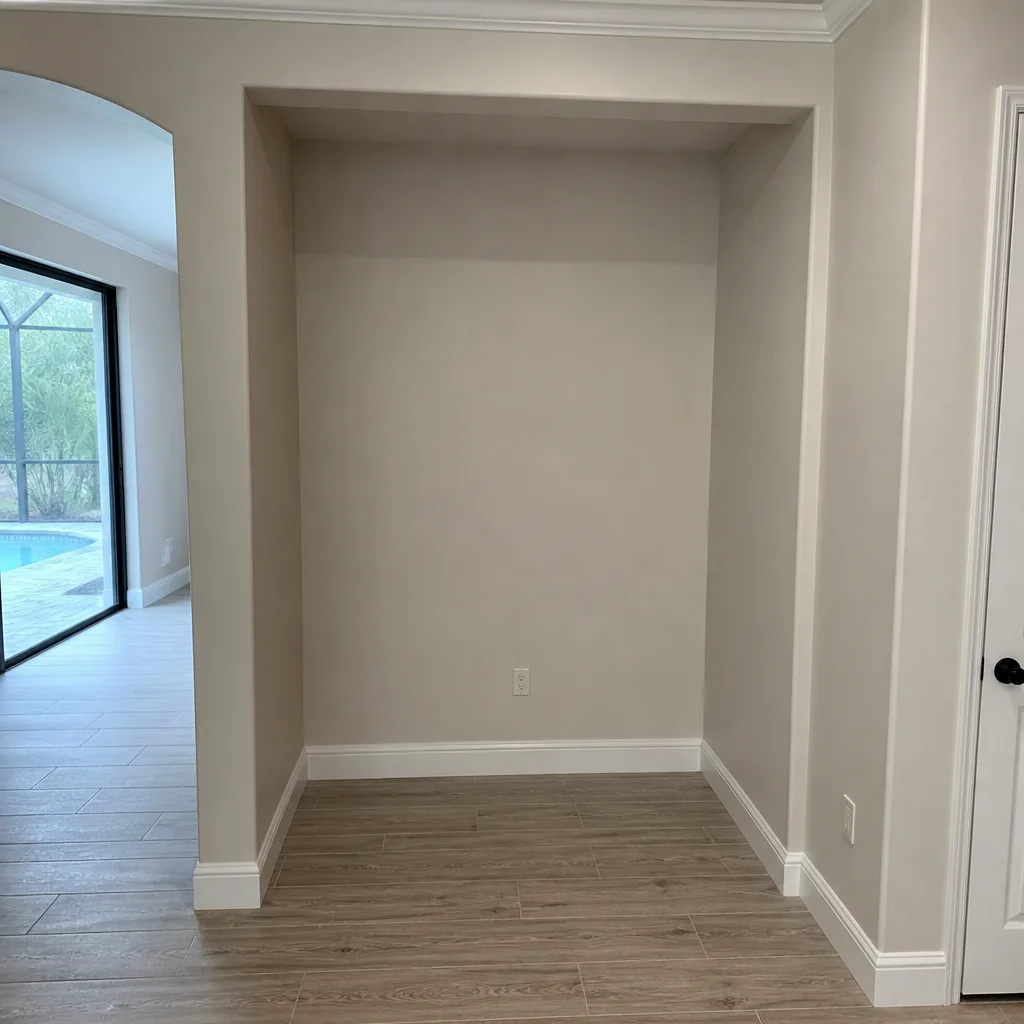 After
AfterHow Much Does Fire & Smoke Damage Restoration Cost in Orlando?
Fire and smoke damage restoration in Orlando typically costs $2,400 to $18,600, with most homeowners paying around $7,800 for a moderate kitchen fire. Small contained incidents like a stovetop grease fire might run $1,200 to $3,800, while whole-home smoke and soot cleanup after a larger fire can reach $25,000 or more. These ranges reflect what we see across Orlando neighborhoods from College Park down to Lake Nona, and they include labor, equipment, cleaning agents, and disposal fees.
Before we get into the line items, know this: every job we quote gets a written price before any work starts. The number doesn’t change at the door. That’s the Kingswell Way, and it applies to every fire damage job in Orlando, whether you’re in Baldwin Park, Thornton Park, or out near Windermere.
Fire & Smoke Damage Restoration Cost Breakdown (2026)
Here’s what Orlando homeowners can expect to pay for specific fire and smoke restoration services in 2026. These are real ranges from our work across Orange County, not national averages that ignore how our humid climate affects soot behavior and drying times.
| Service | Typical Cost Range (Orlando, 2026) |
|---|---|
| Soot and smoke odor removal (single room) | $900 – $2,600 |
| Soot and smoke odor removal (multiple rooms) | $2,800 – $7,500 |
| Kitchen fire cleanup (contained, no structural damage) | $1,800 – $5,400 |
| Structural cleaning after a full-room fire | $4,000 – $12,000 |
| Smoke odor elimination with thermal fogging | $600 – $1,800 |
| HVAC duct cleaning after smoke exposure | $450 – $1,300 |
| Content cleaning (furniture, clothing, textiles) | $500 – $3,500 depending on volume |
| Drywall replacement and repainting (per wall) | $700 – $2,200 |
| Full home fire restoration (structural repair included) | $15,000 – $45,000+ |
What moves the number up or down? The biggest drivers are square footage affected, the type of materials that burned, and how long soot sat before cleanup started. Synthetic materials like polyester carpet and foam cushions produce oily, stubborn soot that costs more to remove than the dry, powdery residue from wood fires. In Orlando’s humidity, soot bonds to surfaces faster than it does in drier climates, which is why we recommend starting cleanup within 48 hours whenever possible. Structural drying after water from fire suppression also gets more complicated here because our relative humidity or RH routinely sits above 70 percent, slowing evaporation and requiring more aggressive dehumidification with Dri-Eaz and Phoenix equipment.
Key Takeaways
- Typical Orlando fire restoration job: $2,400 to $18,600; most homeowners pay around $7,800.
- Small soot cleanup: starts around $900 for a single room.
- Biggest cost drivers: affected square footage, type of soot, and whether HVAC ductwork is involved.
- Insurance often covers most of the bill, minus your deductible. We work directly with adjusters.
- Written pricing: every job gets a written price before work begins and that price doesn’t change at the door.
- Free estimates: call (850) 786-4472 and a live person answers.
What Affects Fire & Smoke Damage Restoration Pricing in Orlando
No two fires behave the same way, and no two restoration jobs cost the same. Here’s what moves the needle on price in the Orlando market specifically.
- Type of soot. Dry soot from wood or paper wipes away relatively easily. Oily soot from burned plastics, synthetic fabrics, and cooking grease requires solvent-based cleaning agents and more labor. Kitchen fires in Orlando homes built with modern synthetic materials almost always produce the oily kind.
- Whether the fire suppression system ran. If sprinklers activated or the fire department used water, you now have a water damage problem layered on top of the smoke problem. Combined water and fire restoration in Orlando homes runs 30 to 50 percent more than fire cleanup alone because we’re pulling double duty with moisture extraction and structural drying before soot work can even begin.
- HVAC system contamination. If smoke traveled through your air handler, you’ll need duct cleaning and possibly coil cleaning. This adds $450 to $1,300 to the job and is non-negotiable; skip it and the smoke odor comes back within weeks.
- Age and layout of the home. Older Orlando homes, like many in Colonialtown and Delaney Park built before 1980, often have plaster walls and tighter spaces that make soot removal slower. Multi-story homes near Winter Park and Maitland add complexity because smoke rises and hides in attics, duct chases, and stairwells.
- How quickly cleanup starts. Soot is acidic. Within 48 hours, it begins etching into painted surfaces, fixtures, and countertops. Delays turn a cleaning job into a refinishing or replacement job, which can double specific line items. Orlando’s humidity accelerates this because soot particles absorb moisture and adhere more aggressively.
- Content restoration volume. If you need furniture, clothing, books, and electronics cleaned, costs scale with volume. We use esporta wash systems and ultrasonic cleaning for contents in our Orlando facility, which handles everything from single items to full household loads.
How Much Does Fire Damage Restoration Cost by Orlando Neighborhood?
Pricing differences by neighborhood are less about geography and more about housing stock, age, and construction style. Here’s what we typically see.
College Park and Colonialtown
The 1920s through 1950s homes here often have plaster walls, original hardwood, and smaller rooms. Plaster absorbs smoke differently than drywall and often needs sealing after cleaning, which adds $1.50 to $3.00 per square foot. Expect most moderate jobs to land between $6,500 and $14,000.
Baldwin Park and Lake Nona
Newer construction with open floor plans means smoke travels farther and faster, but drywall and modern materials clean more predictably. Typical restoration costs run $4,000 to $11,000 for a contained fire, with the high end driven by larger square footage and ductwork that spans multiple zones.
Winter Park and Maitland
Larger homes with custom finishes, crown molding, and higher-end fixtures push costs up. A kitchen fire here might run $9,000 to $20,000 because we’re protecting and restoring surfaces that cost more to replace if a cleaning agent goes wrong.
Windermere and Dr. Phillips
High ceilings, multi-level layouts, and extensive ductwork mean more labor hours. Full smoke cleanup after a fire in these homes often lands between $12,000 and $28,000, especially when ceilings need treatment to remove soot that would otherwise drift down for months afterward.
Is Fire Damage Restoration Covered by Insurance in Orlando?
In almost all cases, yes. Homeowners insurance policies in Florida typically cover fire and smoke damage as a named peril, which means your policy should pay for restoration minus your deductible. The process works like this: you file a claim, an adjuster inspects the damage, and restoration work proceeds once coverage is confirmed. We work directly with insurance carriers, including providing the documentation, photos, and line-item estimates adjusters expect from a restoration contractor. Carl Brandt, who leads our Orlando team, has been handling insurance restoration work since 2005, and our process is built around getting your claim processed without you having to translate between an adjuster and a contractor.
One thing to know: Florida policies often have separate deductibles for hurricane-related fire events versus standard fire claims. If your fire was caused by an electrical issue, cooking, or an appliance, you’re likely looking at your standard deductible, typically $1,000 to $2,500 in the Orlando market. We’ll walk you through this on the first call.
How to Save on Fire & Smoke Damage Restoration
Restoration is expensive, but there are legitimate ways to keep the bill down without cutting corners that cost more later.
- Call within 48 hours. The single biggest cost amplifier is delay. Soot etching into surfaces, smoke odor setting into fabrics, and water from fire suppression soaking into subfloors all worsen by the day. Faster cleanup means cleaning instead of replacing.
- Don’t throw anything away before we see it. Homeowners often toss smoke-damaged furniture, rugs, or clothing assuming it’s unsalvageable. Our esporta system and ultrasonic cleaning restore a surprising amount of it, and insurance typically pays for content cleaning rather than replacement, which keeps your claim simpler.
- Get the HVAC system checked early. If we can confirm smoke didn’t enter the ductwork, you avoid that line item entirely. If it did, catching it early prevents a second cleanup later, which would cost more than doing it right the first time.
- Ask about thermal fogging instead of ozone for odor. Thermal fogging with a deodorizing solution often costs less than ozone treatment and works better in humid Orlando air because the fog penetrates porous surfaces the same way the smoke did. Ozone has its place, but we’ll recommend the right tool, not the pricier one.
- Take advantage of our free estimates. Every Orlando fire restoration job starts with an inspection and a written price. You’ll know the number before committing. Call (850) 786-4472 and a live person answers; we’ll schedule your estimate for the next available window.
Should You Repair or Replace Fire-Damaged Items?
This is one of the most common questions we get, and the answer changes based on what burned and how hot it got. Here’s a practical breakdown for the most frequent items we see in Orlando homes.
Drywall
Repair (patch and repaint) if: the paper facing isn’t charred and no warping occurred. Cost: $700 to $2,200 per wall. Replace if: drywall is warped, crumbling, or soaked through by fire suppression water. Full replacement in a room runs $2,500 to $6,000. Soot-stained drywall almost always needs sealing with a primer like shellac, which costs $0.80 to $1.50 per square foot, before repainting.
Cabinetry
Clean and refinish if: the cabinet boxes are sound and only the doors or face frames have surface soot. Cost: $1,200 to $4,500 depending on kitchen size. Replace if: cabinets were directly involved in the fire or show delamination from heat. New kitchen cabinet runs in Orlando start around $8,000 for stock and exceed $20,000 for custom, which is why we push hard on the cleaning route first.
Flooring
Clean if: tile or sealed hardwood with surface soot. Hardwood often survives smoke exposure if it’s cleaned and refinished, costing $3 to $8 per square foot. Replace if: carpet with heavy soot load or laminate that’s swollen from water. Carpet replacement in a standard Orlando living room runs $1,800 to $4,200 installed.
Textiles and Furniture
Upholstered furniture exposed to smoke can often be cleaned with specialized extraction and deodorizing for $100 to $500 per piece. Items directly burned should be replaced, and your insurance adjuster will typically assign replacement value based on age and condition.
How the Restoration Process Works
Every job we run in Orlando follows the same sequence, and we explain each step in plain English before we start. Here’s the process, using the trade terms and the translations.
- Inspection and scoping. We walk every affected room, test soot type with pH strips, check ductwork, and measure the affected square footage. This produces the written price we give you before any work starts.
- Water removal (if fire suppression ran). We extract standing water and begin structural drying. We use psychrometric drying, which is the science of controlling temperature, humidity, and airflow to dry materials at the right pace. In Orlando’s humidity, that means sealed drying chambers and equipment like Phoenix dehumidifiers running constantly until wood moisture content reads below acceptable thresholds for your material type.
- Soot removal. We use chemical sponges for dry soot and solvent-based cleaners for oily soot, working top to bottom and left to right so we never drag soot back over cleaned surfaces. Every surface is touched: walls, ceilings, trim, light fixtures, doors, and the inside of cabinets and closets. Soot isn’t just ugly; it’s corrosive, and if left in place, it will etch glass, pit metal, and discolor paint permanently.
- Odor neutralization. Cleaning removes soot, but odor molecules are smaller than soot and they hide inside porous materials. We pair thermal fogging with hydroxyl generators, not masking sprays. Thermal fogging pushes a deodorizing fog into the same spaces smoke traveled; hydroxyl generators use the same chemistry the sun uses outdoors to break down odor molecules over a longer period. For stubborn cases, we’ll place hydroxyl units for 48 to 72 hours.
- HVAC cleaning. If smoke entered the air system, we clean the registers, return ducts, plenum, and blower assembly. Air handler cleaning runs $450 to $1,300, and it’s mandatory for odor control when the system ran during the fire.
- Repairs and refinishing. We replace damaged drywall, reseal surfaces, and repaint as needed. This is also when we refinish hardwood or reinstall cleaned cabinetry, all to IICRC standards.
- Final walkthrough. We walk the home with you, show you the work, and hand you the written 365-Day Done Right Promise. If anything covered by the scope fails within one year, we come back and fix it at no charge. That’s in writing, on every job.
Our Fire & Smoke Damage Restoration in Orlando page covers the full service if you want more detail on what each step looks like in practice.
FAQs – Fire & Smoke Damage Restoration Cost
How much does fire and smoke damage restoration cost for a small kitchen fire in Orlando?
A contained kitchen fire, the kind from a grease flare-up or an appliance, typically costs $1,800 to $5,400 when it’s caught early and there’s no structural damage. If cabinets are involved, expect the higher end, especially with older custom cabinetry in neighborhoods like Thornton Park or Delaney Park. Call (850) 786-4472 for an exact quote; estimates are free.
How much does smoke odor removal cost in Orlando?
Standalone smoke odor removal using thermal fogging and hydroxyl generators runs $600 to $1,800 depending on square footage and how long the odor has sat. If the odor is embedded in ductwork or behind walls, costs rise to $2,500 to $5,000 because we’re cleaning inside the cavities, not just the surfaces. We’ll tell you which category your home falls into after a walkthrough.
Does homeowners insurance cover fire damage restoration in Orlando?
Yes, standard Florida homeowners insurance covers fire and smoke damage as a named peril, meaning the restoration bill is covered after your deductible, which is typically $1,000 to $2,500 in the Orlando market. We work directly with your carrier and handle the documentation so the claim moves without you acting as a translator. Bring us your policy details on the first call and we’ll verify coverage together.
How fast can fire damage restoration start in Orlando?
In most cases, we can begin within 24 to 48 hours of your call. Emergency board-up and water extraction can often start same day. We serve all of Orange County, from Conway and Azalea Park to MetroWest and Ocoee. A live person answers at (850) 786-4472 around the clock, so you’re never leaving a voicemail during an emergency.
Is it better to clean or replace smoke-damaged items?
It depends on material, exposure time, and whether insurance will cover either route. As a rule, cleaning costs 50 to 80 percent less than replacing, and modern content cleaning methods restore a surprising amount. We only recommend replacement when items are unsafe or when cleaning would cost more than the item’s value. You’ll see the numbers for both before you decide.
What does the 365-Day Done Right Promise cover?
The Promise covers every repair we perform. If any covered repair fails within 365 days of completion, we return and make it right at no additional charge. That includes things like paint peeling after soot removal, odor reappearing in a treated area, or a replaced drywall section showing issues. It’s written into every contract and handed to you at final walkthrough. No fine print, no prorating.
Get a Free Fire Damage Restoration Estimate in Orlando
If you’re standing in a smoke-damaged room right now, the fastest thing you can do is call. A live person answers at (850) 786-4472, 24 hours a day, and we’ll schedule your inspection for the next available window. You’ll get a written price before any tool is touched, a named arrival window, and a 365-Day Done Right Promise in writing.
Carl Brandt leads our Orlando team, and he’s been handling fire damage here since 2005. The equipment on your job will be Dri-Eaz, Phoenix, XPOWER, or B-Air, the same professional-grade machines large commercial crews run. Our technicians are background-checked and arrive in uniform, so you know exactly who’s at your door. And our work is performed to IICRC, RIA, and IFA standards, which are the damage restoration industry’s recognized benchmarks for training and ethics.
You can also learn more about our home page services, or call now. The sooner we start, the less this costs and the more we can restore. That’s not pressure; that’s just the chemistry of soot in humid Orlando air.
Pricing reflects the Orlando market as of 2026. Dryden Restoration Orlando offers free estimates – call (850) 786-4472.
What Our Customers Say
"Slow leak under the house turned into mold. They found the source, treated it, and were honest that it wasn't as bad as I'd braced for. No scare tactics."
- Francesca Lao"Fridge line leaked behind the cabinets for weeks. They found the hidden water, dried it properly, and checked it for a few days before signing off. Thorough and honest."
- Phil Hargis"Honest crew. They could have told me the whole floor needed to come up. Instead they dried it properly, monitored it for a few days, and saved most of the hardwood. Checked their own work before closing it out."
- Andre Washington