

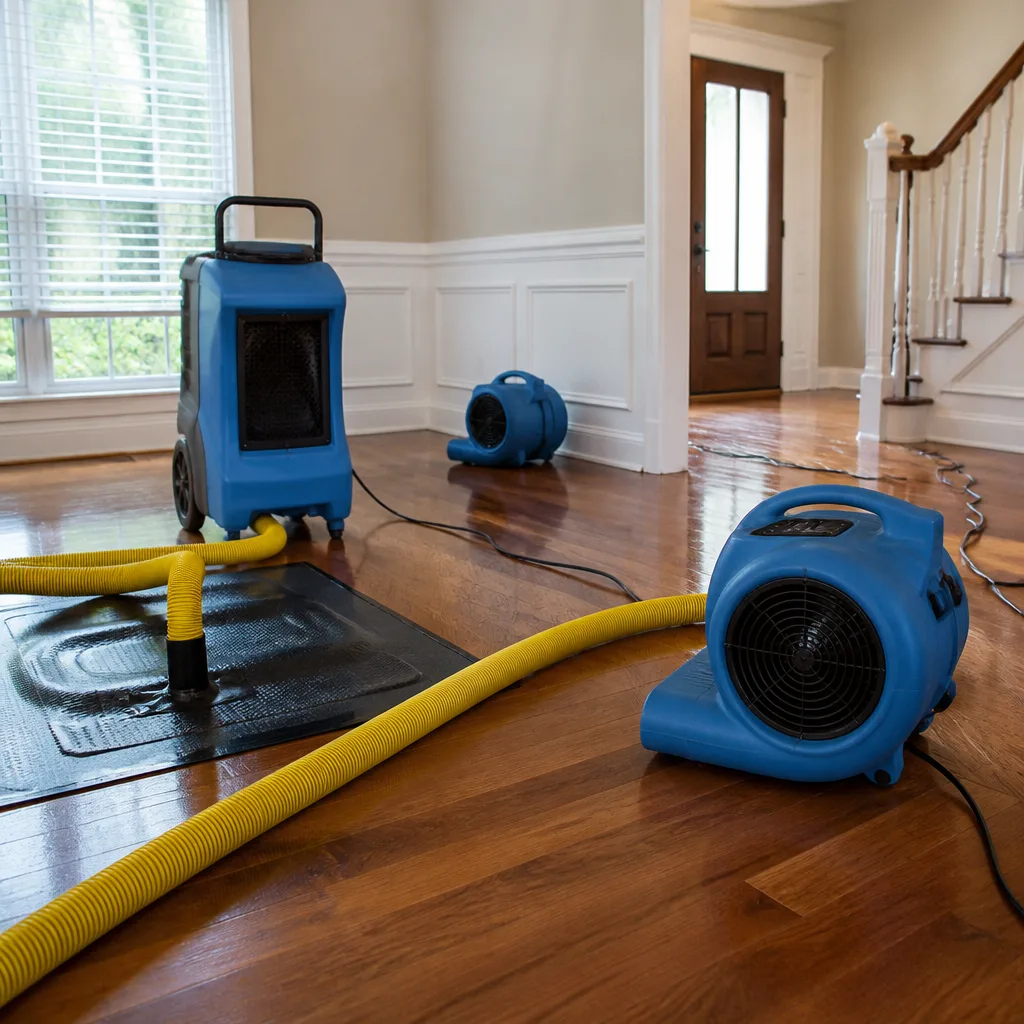
 Water damage drying
 Fire & smoke cleanup
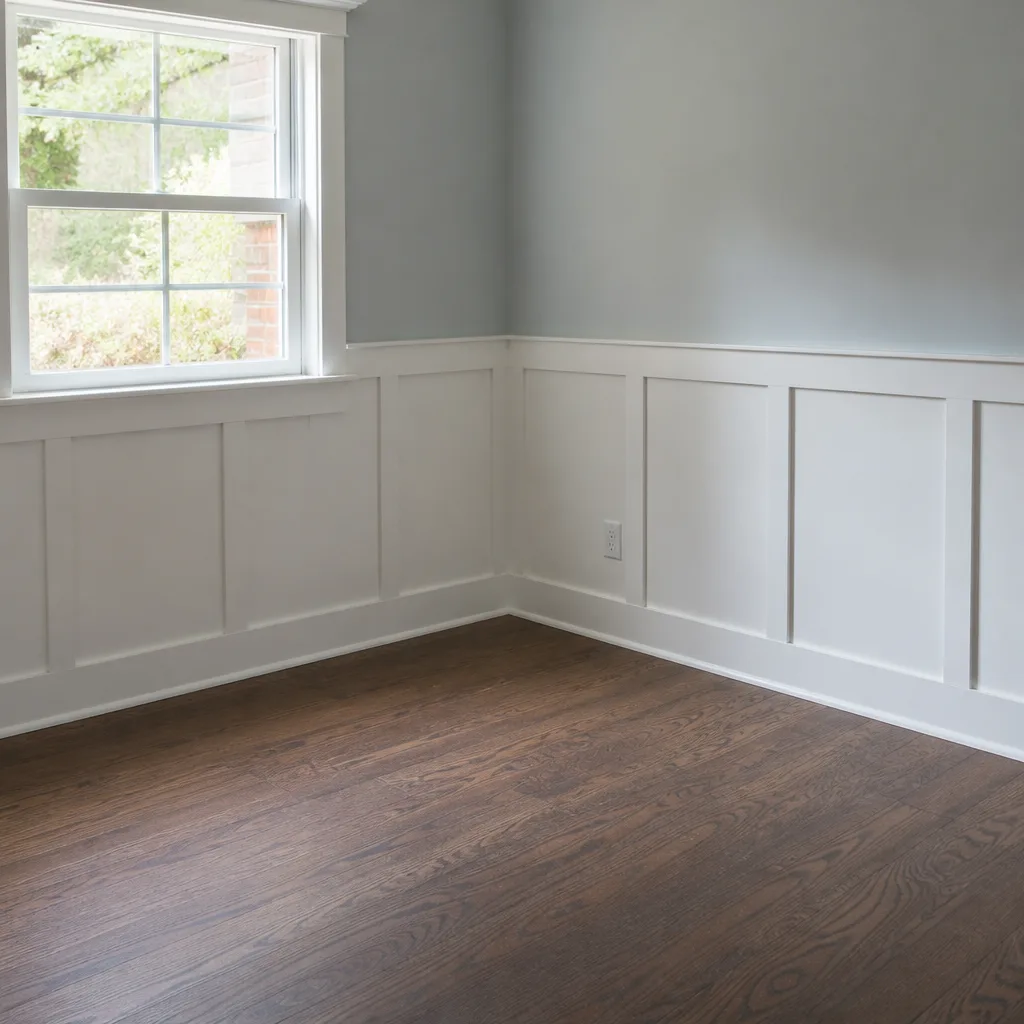 Mold remediation
 Storm response
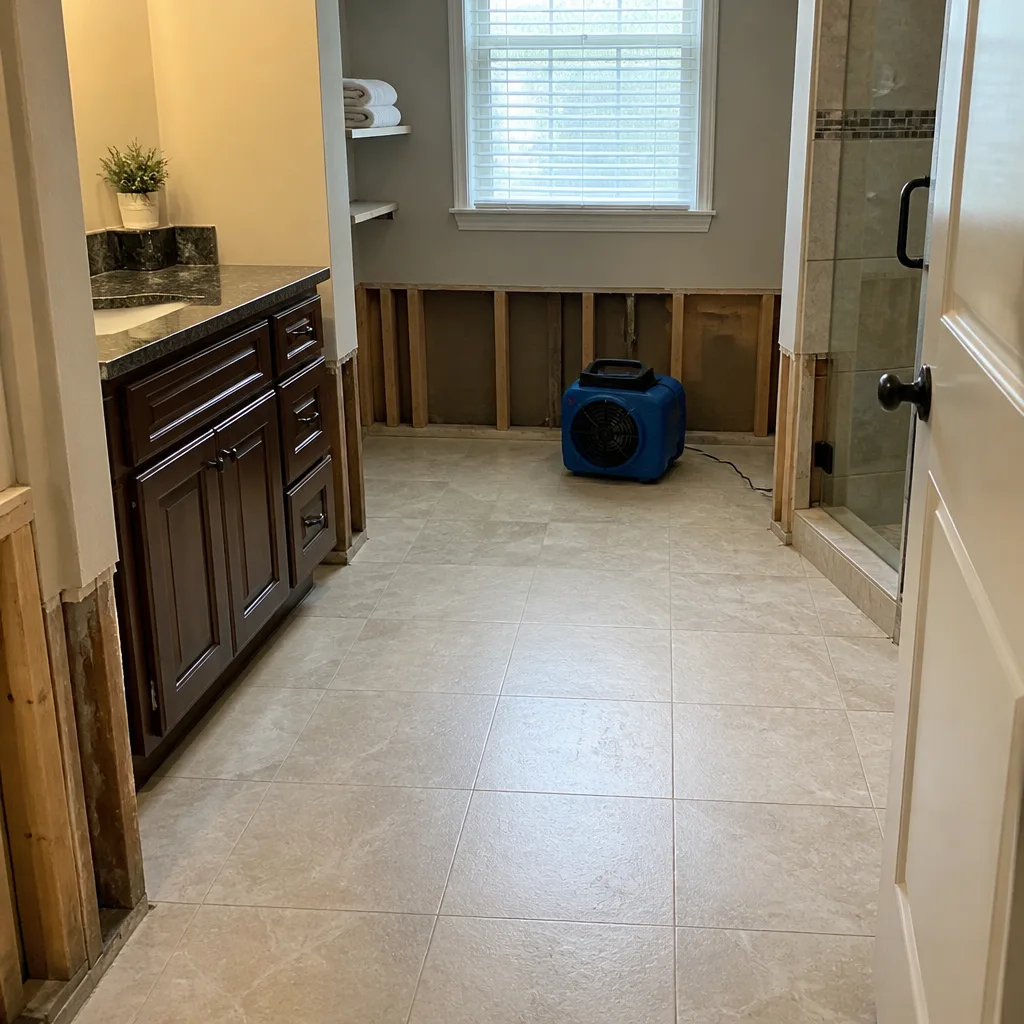 Sewage cleanup
 Reconstruction
Free visual inspection and a written scope of work before any mitigation begins - photos, moisture readings, and drying logs go in your claim file
The scope we write is the scope we bill. Anything new gets shown to you, in writing, before we touch it.
Get your free estimateFast, Reliable Water Damage Restoration Across St. Cloud
Water damage in St. Cloud doesn’t wait, and neither should your restoration crew. A burst polybutylene supply line, a slab leak fed by shifting clay soil, or a summer thunderstorm that dumps three inches in an hour: each one starts the same 48-hour clock before mold takes hold. Water Damage Restoration in St. Cloud typically runs $1,900 – $4,800 for a standard single-room mitigation, with emergency extraction starting at $450 – $800. Call (850) 786-4472 and a live person answers, day or night. We’ll give you a written price before any tool leaves the truck and a named arrival window we actually keep.
We know St. Cloud’s neighborhoods, from the older bungalows near downtown to the sprawling stucco subdivisions east of Narcoossee Road. Our St. Cloud crews carry the equipment, the parts, and the local know-how to dry your home correctly the first time, with a written 365-Day Done Right Promise on every job.
Why Dryden Restoration Orlando Is St. Cloud’s Preferred Water Damage Restoration Company
Dryden Restoration Orlando is an independently owned and operated Kingswell company, founded in 2005 and built on a simple set of commitments we call The Kingswell Way: say the price before the work, show up in the window we gave, leave the place cleaner than we found it, and put the guarantee in writing. Every technician who steps into a St. Cloud home is background-checked and uniformed, so you know exactly who’s at your door at 2 a.m. when a pipe lets go-or when you need Fire Damage Restoration in St. Cloud.
The crews serving St. Cloud carry XPOWER air movers, Dri-Eaz dehumidifiers, B-Air and Injectidry drying systems. We work to IICRC, RIA, and IFA standards without drowning you in jargon: when we say “psychrometric drying,” we mean we map the moisture in your walls and floors with instruments, not guesswork, and we track relative humidity until the numbers say dry, not just until the surface feels dry. That’s the difference between a repair that holds and a mold bloom four weeks later.
Carl Brandt leads our St. Cloud response team, and he’s the one accountable for the written 365-Day Done Right Promise that comes with every job. Since 2005, Dryden has served communities across central Florida as part of the Kingswell family, which means our St. Cloud clients get a company big enough to answer the phone at 3 a.m. and local enough to know that homes off Narcoossee Road have a different failure profile than anything you’d find in Orlando or Apopka.
Restoration work we handle
Flooded Basement in St. Cloud
Flooded Basement in St. Cloud is a call we answer weekly, though here the “basement” is rarely a true below-grade space. In St. Cloud’s slab-on-grade housing stock, a flooded basement usually means a sunken den, a converted garage, or a finished bonus room that sits a few inches lower than the main floor slab, so every crack in the clay underneath becomes a channel for water to pool. A typical flooded basement or sunken room in St. Cloud runs $1,800 – $4,200 to extract, dry, and restore, depending on how much drywall, baseboard, and flooring the water reached before we arrived.
What makes St. Cloud different from coastal Florida cities is the clay. The expansive soils under many 1990s and 2000s homes shift with moisture cycles, and when a slab moves even a fraction of an inch, the plumbing embedded in it can crack and feed water into wall cavities and low rooms. That’s why our flooded basement work in St. Cloud always starts with moisture mapping, not just extraction. We’re looking for where the water came from, not just where it ended up.
What We Actually Do on the Day We Arrive
We set containment to keep the wet air from migrating, extract standing water with truck-mounted equipment, pull the baseboards and saturated drywall that won’t dry, and place XPOWER air movers and a Dri-Eaz dehumidifier to push the structure back to dry standard. We take moisture readings every day and show you the numbers. You’ll know when the room is actually dry, not just when we say so.
When the Water Came Up Through the Slab
If the water came up through the slab, not down from a pipe, we treat it as a slab leak until proven otherwise. That means shutting the water, pressurizing the system, and pinpointing the breach before we spend a dollar on cosmetic repairs. St. Cloud’s clay soils make slab leaks more common here than in sandy coastal towns, and a slab leak that’s ignored will re-flood the same room six months after you’ve paid for restoration.
Water Extraction in St. Cloud
Water Extraction in St. Cloud is the first and most time-sensitive step in any water loss, and the volume of water from a burst polybutylene supply line in this city is far beyond what a rental carpet cleaner can handle. A burst 3/4-inch supply line can release eight to twelve gallons per minute, which is why a standard St. Cloud extraction job runs $450 – $800 for the first room and $150 – $300 per additional affected room, depending on how far the water traveled across the slab.
We rolled to a 2003 stucco subdivision off Narcoossee Road where a polybutylene supply line burst in the garage ceiling, flooding a finished bonus room and dropping water into the kitchen below. Our techs set up containment, pulled saturated drywall, and ran XPOWER air movers plus a Dri-Eaz dehumidifier; structural drying and moisture readings brought the slab and framing back to pre-loss condition in four days. That’s the pace and the precision St. Cloud homeowners should expect.
Why a Shop-Vac Or Rental Machine Isn’t Enough
Rental carpet cleaners and consumer wet-vacs leave water trapped in the base channels, behind baseboards, and under the vapor barrier of laminate or vinyl plank. In St. Cloud’s humid climate, that trapped water raises indoor relative humidity and feeds mold inside wall cavities within 48 hours. Our extraction is measured: we use moisture sensors and thermal imaging to find water you can’t see, then pull it before demolition becomes the only option.
How Fast We Get Water Out of a Slab Home
In a slab-on-grade St. Cloud house, water doesn’t drain down into a basement; it sits on the concrete and migrates under flooring, behind casings, and up the drywall by capillary action. Speed matters more here than in a home with a crawlspace. We dispatch within the hour for standing water, and our goal is to have the bulk extraction done before the first 24 hours pass, because every hour after that expands the demolition footprint and the final bill.
Trusted Brands We Service in St. Cloud
We maintain and restore equipment from the brands St. Cloud homeowners actually run: Dri-Eaz dehumidifiers, Phoenix axial air movers, XPOWER air movers and blowers, B-Air dryers, and Injectidry injection drying systems for hard-to-reach wall and ceiling cavities. We stock common parts and filters for these systems in our regional supply pipeline, so we can get your equipment back to work without waiting a week for a back-ordered part. The same professional-grade machines you’ll find on large commercial restoration crews in Florida are the ones we run in your St. Cloud living room, garage, or bonus room.
See the difference
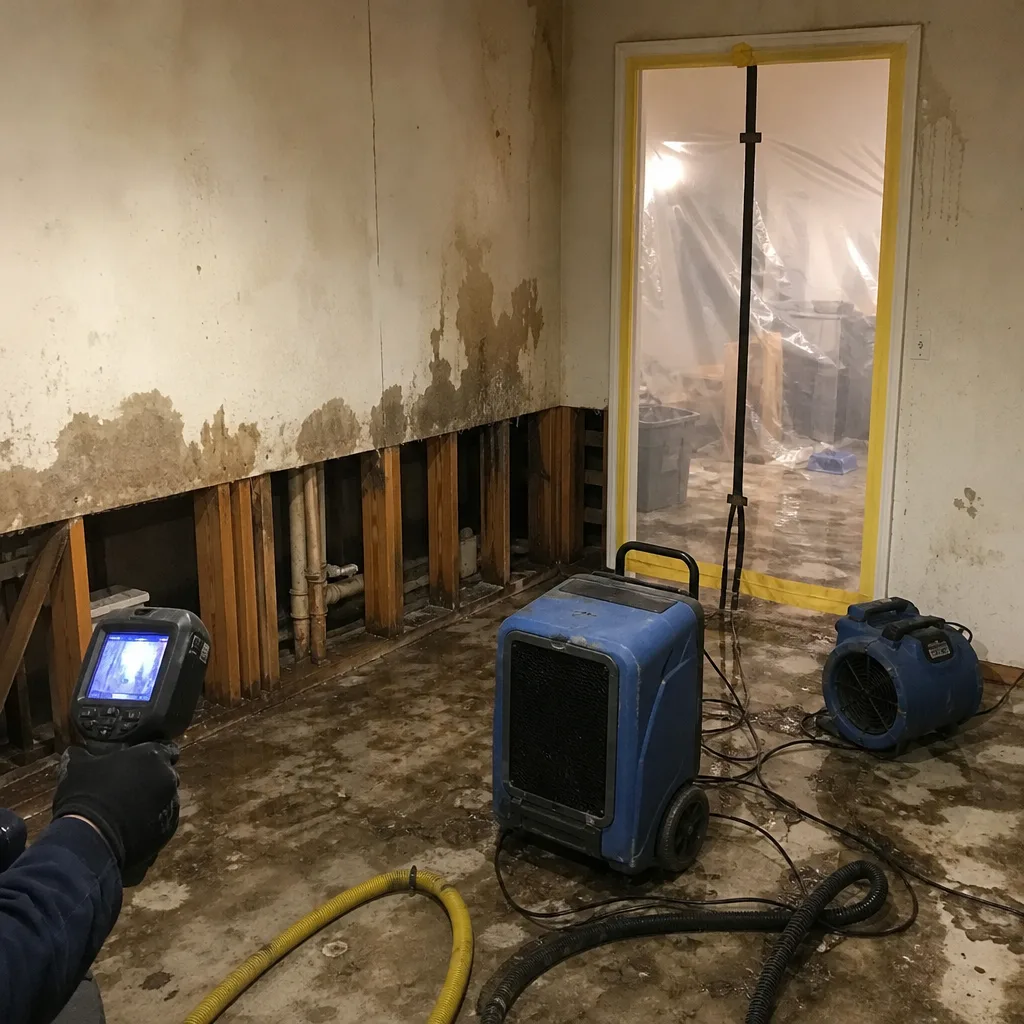 Before
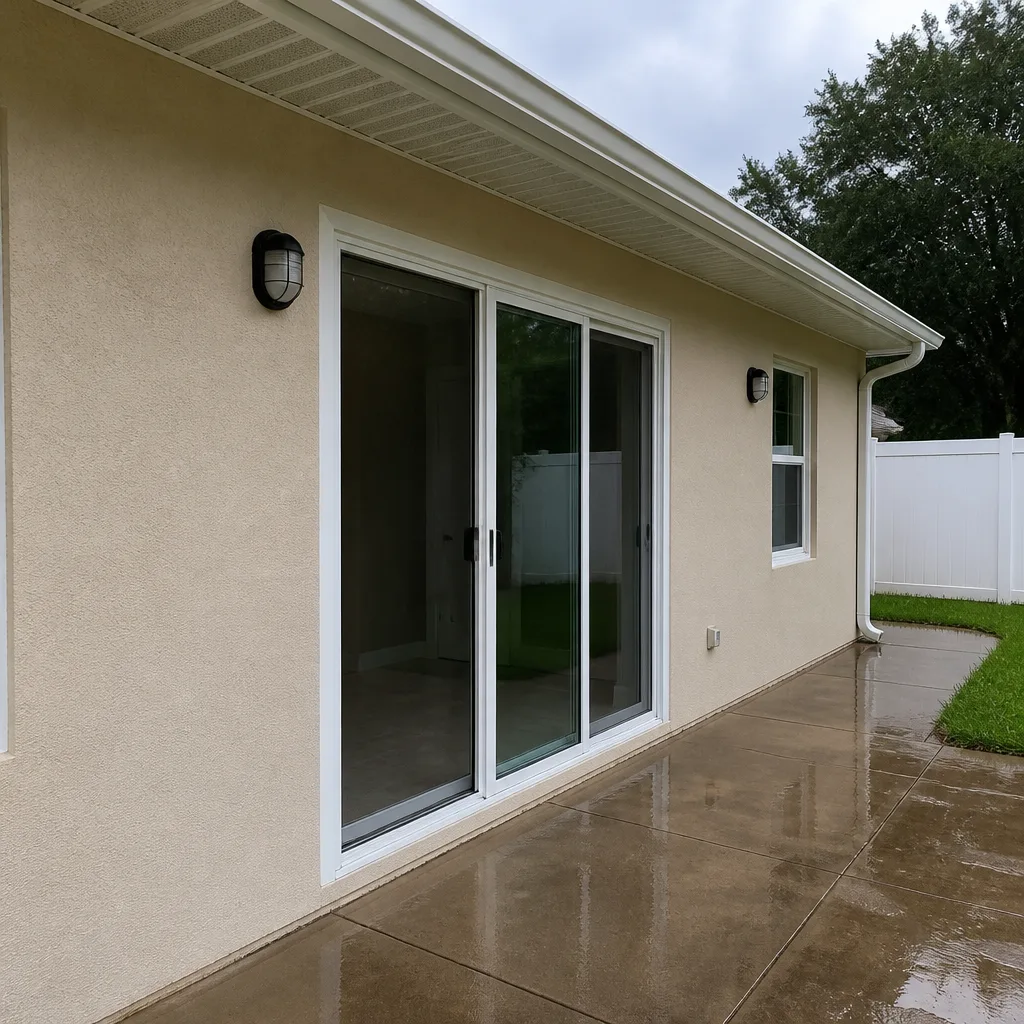 After
After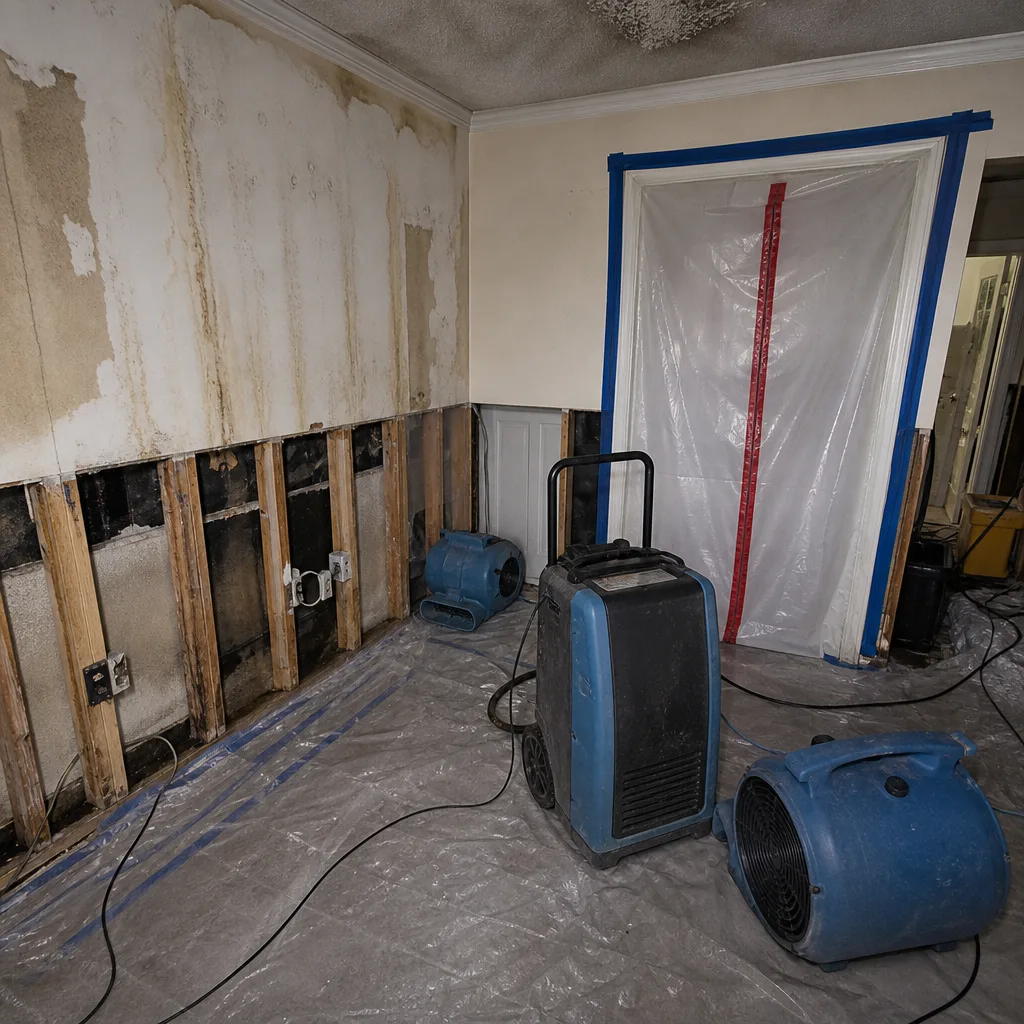 Before
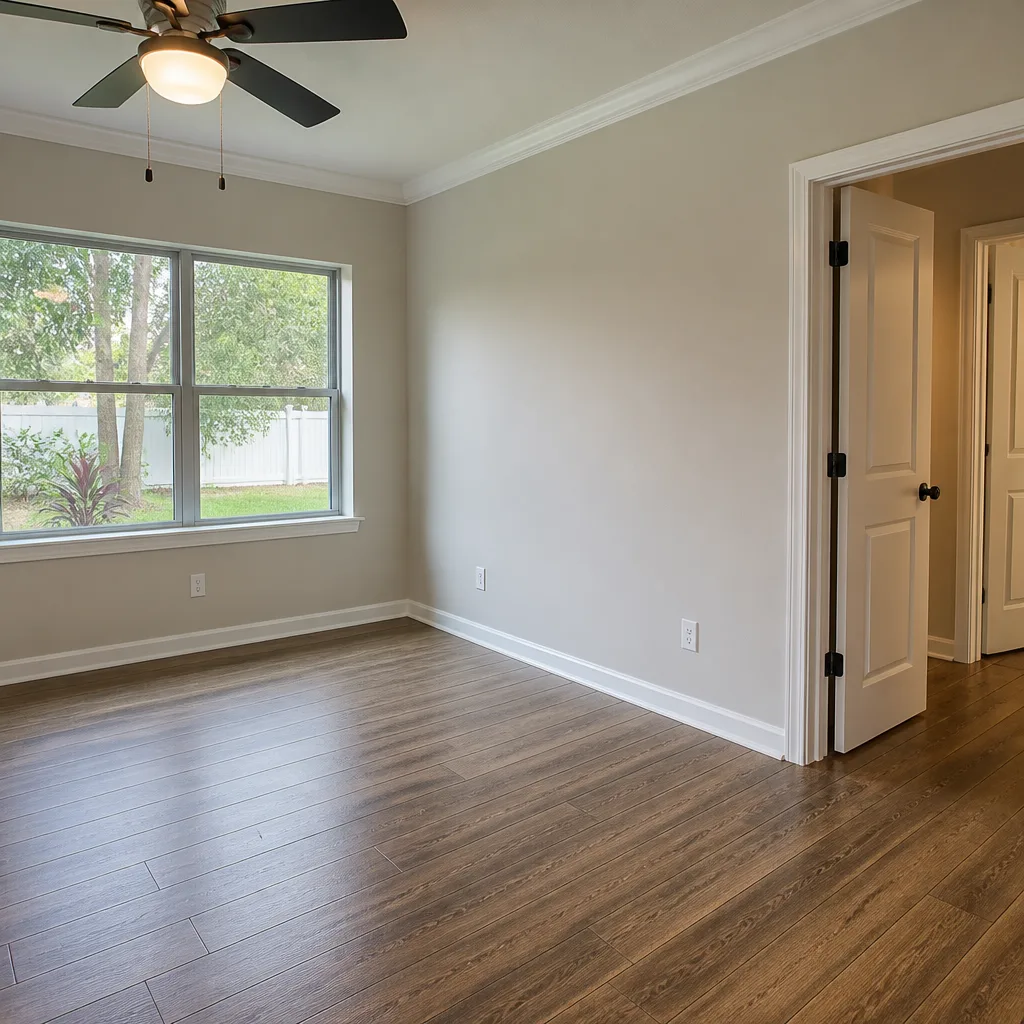 After
After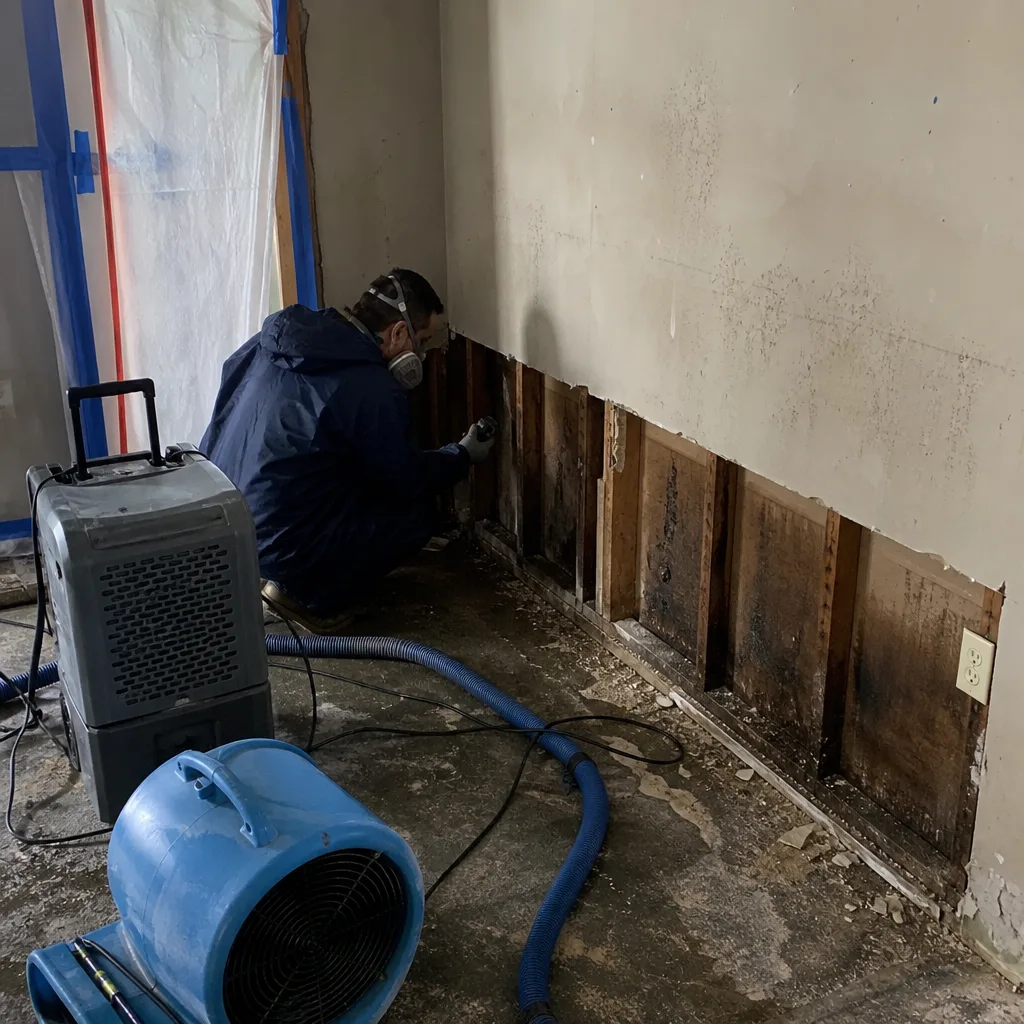 Before
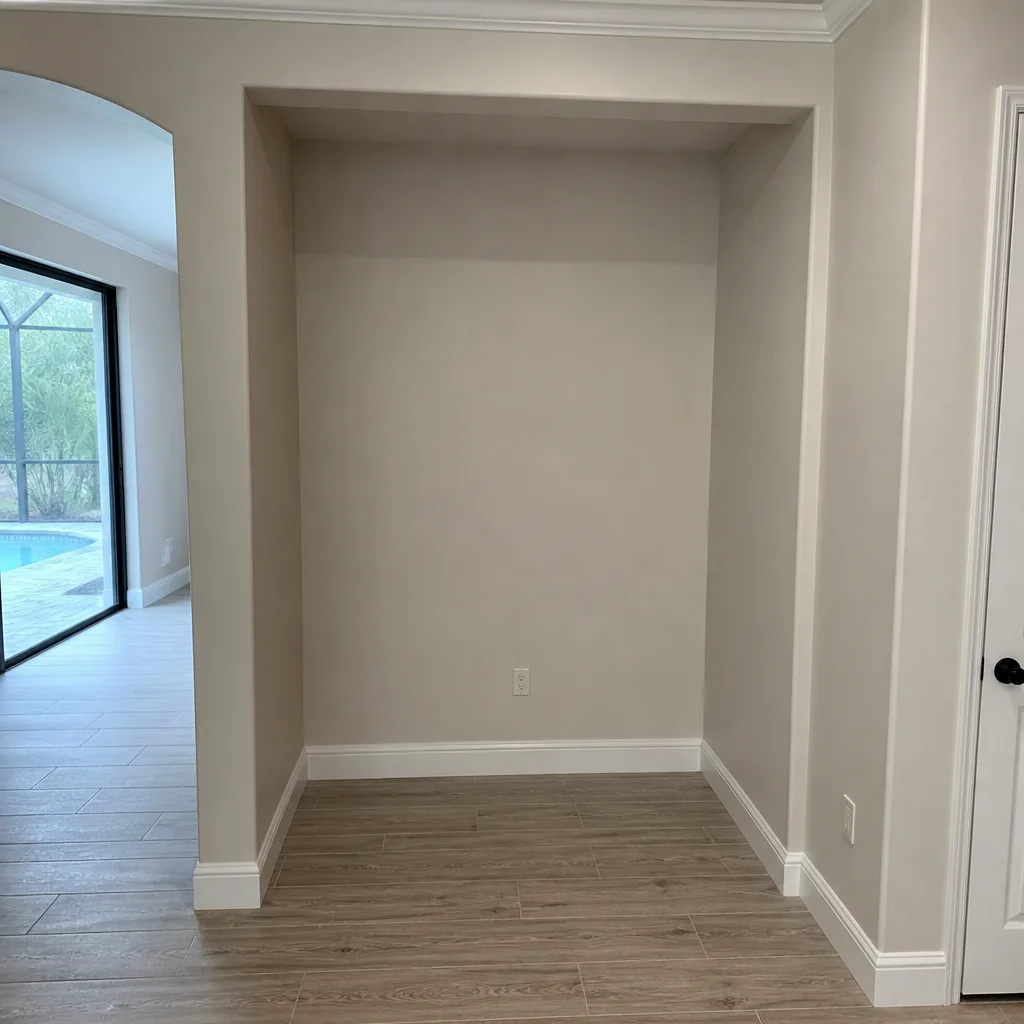 After
AfterCommon Water Damage Restoration Problems We See in St. Cloud Homes
- Polybutylene supply line bursts east of Narcoossee Road. Many early-2000s St. Cloud homes still have the gray plastic water lines that are now failing at the fittings. These sudden bursts are the single most common water loss we see in this part of St. Cloud, and the volume overwhelms DIY cleanup within minutes.
- Clay slabs that shift and crack supply piping. The expansive clay soils under many St. Cloud homes hold a high water table that swells and shrinks with the seasons. When the slab moves, the plumbing embedded in it can crack and feed a continuous Category 1 water source into wall cavities and under flooring. It’s a slow leak that does more damage than a burst pipe, because no one notices it for weeks.
- Drywall left in place past the 48-hour mark. In St. Cloud’s summer humidity, once water has wicked up a slab-block wall, the clock is already running. If the drywall isn’t pulled or aggressively dried within 48 hours, Category 2 or 3 water contamination means a full tear-out and replacement instead of a targeted dry-out. That’s a $2,000 repair becoming an $8,000 rebuild.
- Hidden moisture under vinyl plank and tile. The clay slab’s vapor drive pushes moisture up from below, and without moisture mapping, that water stays hidden under vinyl plank or tile until mold blooms. A homeowner thinks the job is done because the surface feels dry. The instruments say otherwise, and we show you the readings.
Pricing for Water Damage Restoration in St. Cloud, FL
Here’s what St. Cloud homeowners can expect to pay for common water damage work, based on the size of the affected area and how quickly the water was stopped:
- Emergency water extraction (first room): $450 – $800
- Each additional affected room: $150 – $300
- Structural drying and dehumidification (single room): $800 – $2,000
- Flooded basement or sunken room mitigation: $1,800 – $4,200
- Burst pipe restoration, including drywall and trim: $2,400 – $5,800
- Ceiling and roof leak water damage repair: $650 – $2,200
These St. Cloud figures are real starting points, not bait. What moves the number is how far the water traveled, how long it sat, and whether the water touched the slab or stayed on the surface. We give you a written price before we start, and that number doesn’t change at the door. Call (850) 786-4472 for a free estimate, and we’ll tell you what we see, not what we hope you’ll pay.
We Also Serve Cities Near St. Cloud
Our restoration teams serve homeowners throughout central Florida, including Water Damage Restoration in St. Cloud and the surrounding communities of Orlando, Apopka, Deltona, and Winter Garden. If water has found its way into your home, call (850) 786-4472 and a live person will start your damage assessment over the phone right now.
Serving St. Cloud, FL - Our Local Coverage Area
We’re based in the St. Cloud area and know this community well. Use the map below to see our service coverage - if you’re nearby, we can almost certainly help.
FAQs About Water Damage Restoration in St. Cloud
St. Cloud’s expansive clay soils swell and shrink with moisture cycles, which causes slab movement that can crack embedded plumbing and create slow, hidden leaks that feed water into wall cavities and under flooring for weeks before anyone notices. Coastal sandy soils drain water away from the foundation; St. Cloud’s clay holds it, keeps the vapor drive high, and makes hidden moisture under vinyl plank or tile a real risk if the home isn’t dried to a documented standard. That’s why we moisture-map every St. Cloud job rather than relying on surface feel. Call (850) 786-4472 for a free inspection if you suspect a slab leak.
Polybutylene pipes are the gray plastic supply lines installed in many St. Cloud homes built in the early 2000s, and they fail at the fittings as they age, causing sudden, high-volume leaks under pressure. If one bursts, shut the water at the main immediately, kill the power to affected areas, and call (850) 786-4472. We’ll dispatch an extraction crew to the Narcoossee Road subdivisions and every other St. Cloud neighborhood, and we’ll handle the water removal and drying before the 48-hour mold window closes.
Yes. St. Cloud has plenty of zero-lot-line builds and alley-loaded garages with narrow side clearances, and our crews are equipped for exactly that. We stage equipment in the driveway or on the street, run hoses and cords through the garage or a single entry, and keep walkways clear for neighbors. The equipment is compact enough to dry a tight garage conversion or a finished bonus room without turning the whole block into a work zone.
For standing water, we dispatch within the hour, and our goal is to have the bulk extraction done before the first 24 hours pass. In a slab-on-grade St. Cloud house, water sits on the concrete and migrates under flooring and up the drywall, so every hour changes the scope of the job. For storm-related flooding from summer thunderstorms or tropical remnants, we prioritize extraction over everything else, then follow with structural drying and moisture mapping.
We handle both. St. Cloud’s interior central Florida location means intense summer thunderstorms, high humidity, and occasional tropical storm remnants that can push water over a threshold, through a roof, or up against a foundation. Our teams respond to storm-driven flood cleanup the same way we respond to burst polybutylene lines: extract first, dry to written standards, and give you a price before we start. Call (850) 786-4472 and a live person answers, 24 hours a day, 7 days a week.
Written by Carl Brandt, Owner at Dryden Restoration Orlando, serving St. Cloud and central Florida since 2005.