
Last updated October 16, 2026
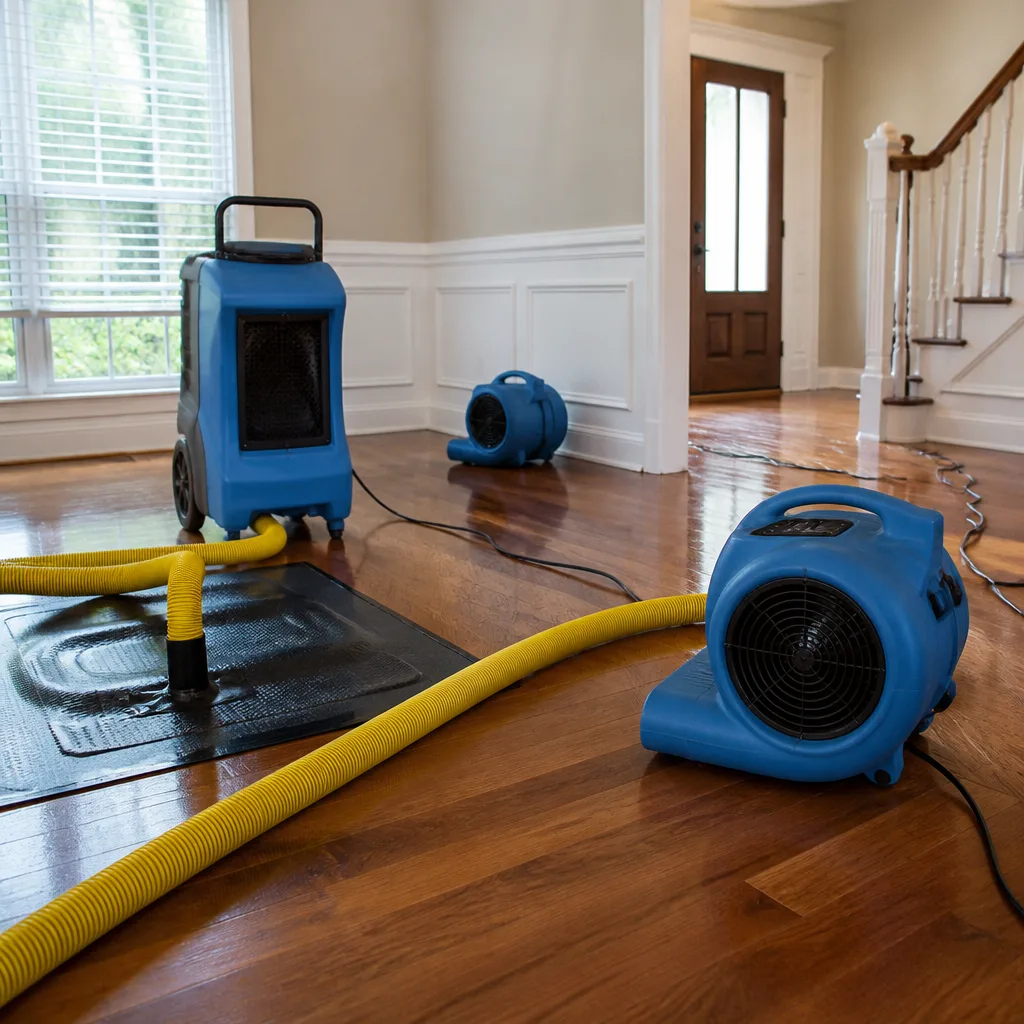 Water damage drying
 Fire & smoke cleanup
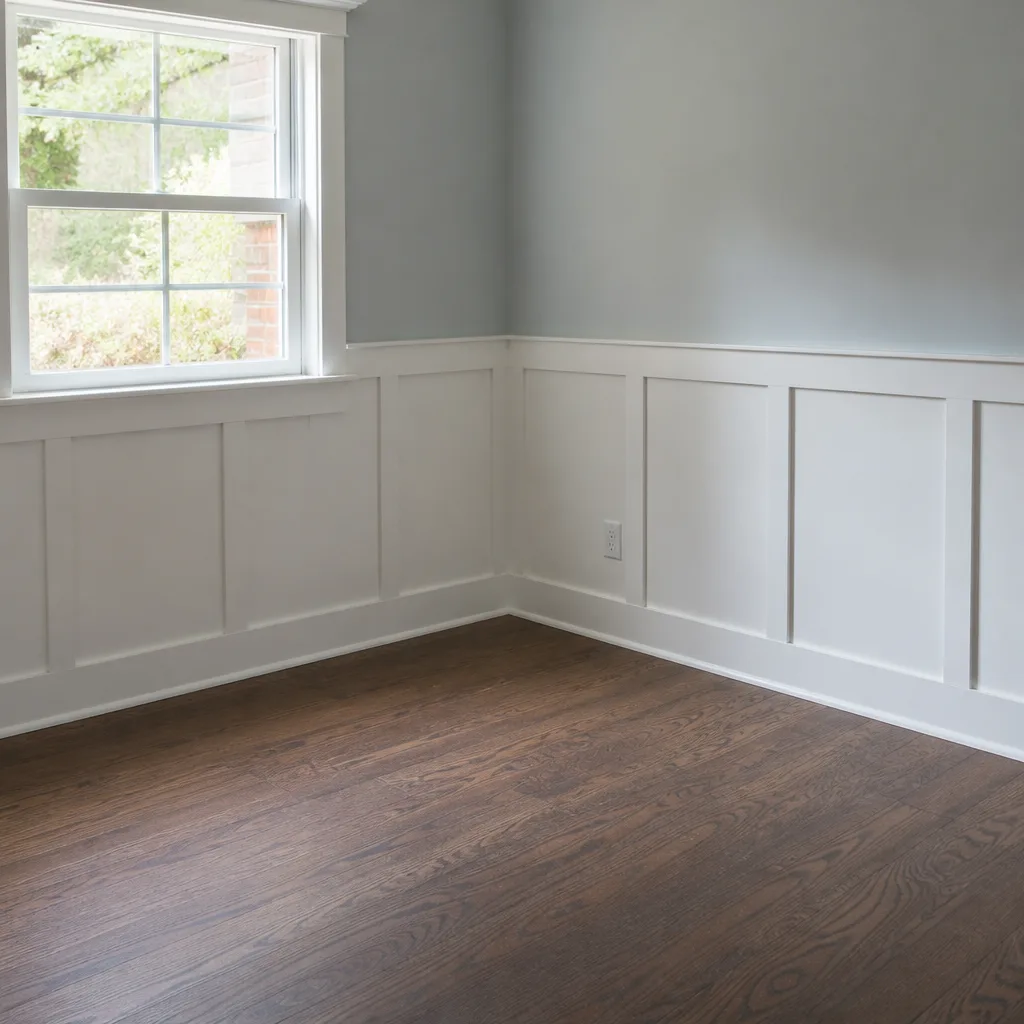 Mold remediation
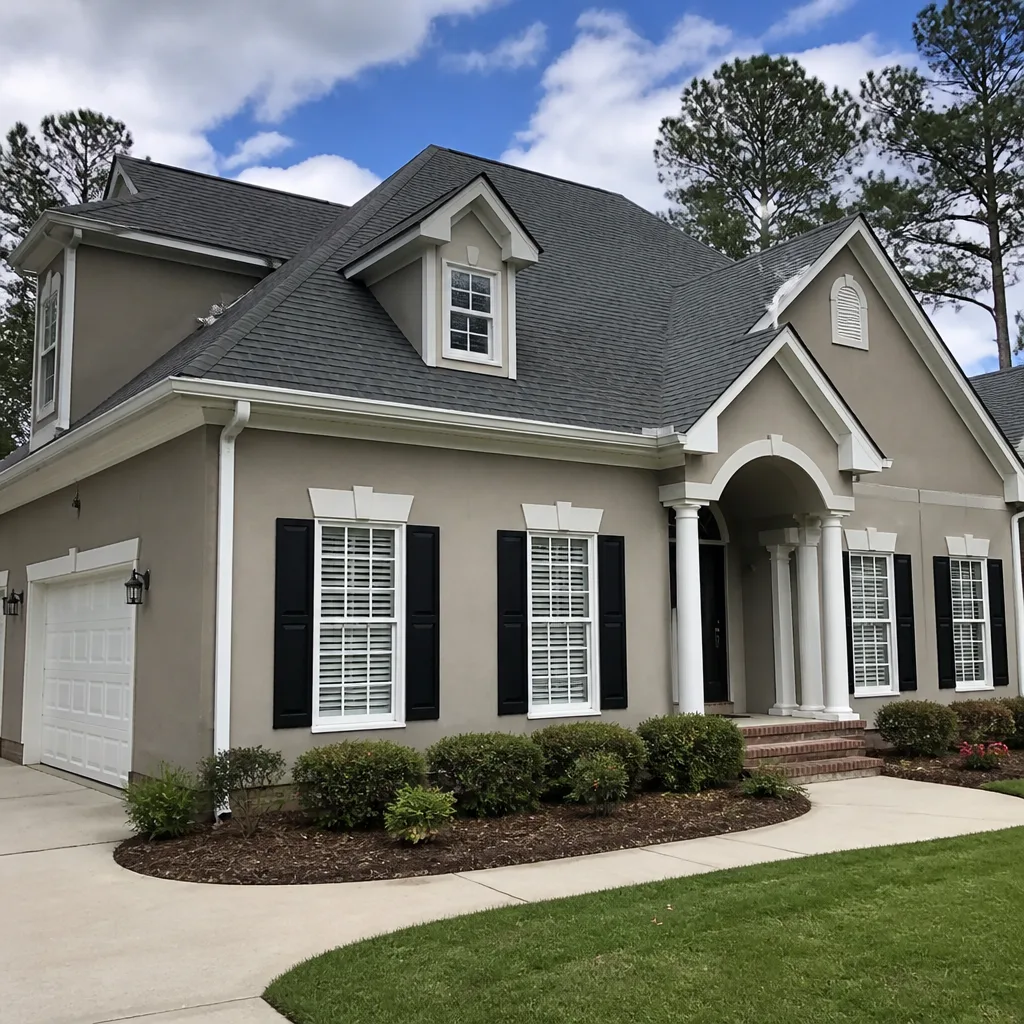 Storm response
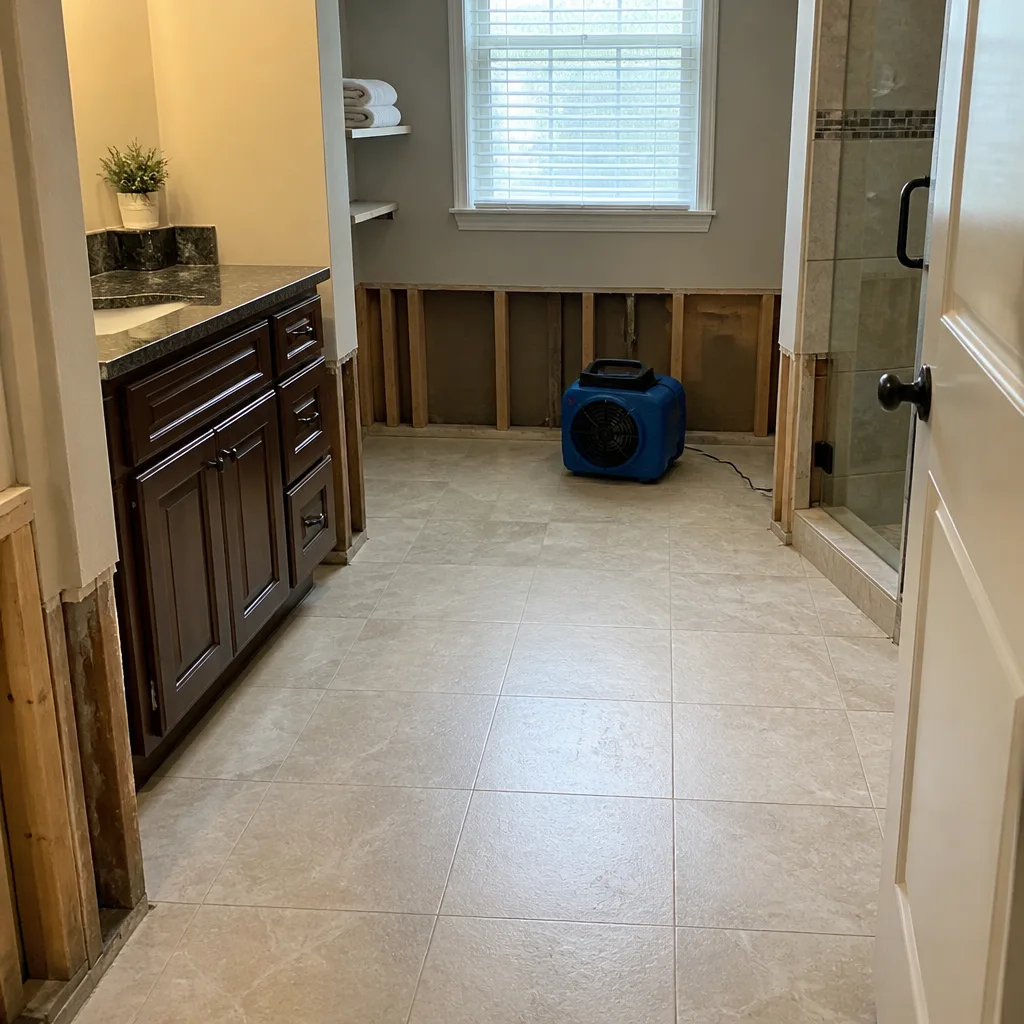 Sewage cleanup
 Reconstruction
Free visual inspection and a written scope of work before any mitigation begins - photos, moisture readings, and drying logs go in your claim file
The scope we write is the scope we bill. Anything new gets shown to you, in writing, before we touch it.
Get your free estimateHow to Hire a Damage Restoration Contractor in Orlando: A Step-by-Step Guide
Florida has more licensed mold remediators per capita than any state in the country, yet the Florida Department of Business and Professional Regulation logged over 2,000 contractor complaints in a single recent year. Many of those complaints trace back to the same moment: a homeowner in Orlando, standing in ankle-deep water at midnight, tapping the first sponsored ad that appeared on their phone. We wrote this guide to fix that. By the time you finish reading, you’ll know exactly what licenses to check, what a legitimate estimate looks like, and the five questions that separate a credentialed restoration firm from a guy with a fan and a wet-vac.
Restoration work we handle
Quick Answer
To hire a damage restoration contractor in Orlando, verify three Florida licenses (CGC for structural work, MRSR for mold remediation, and a separate Mold Assessor for testing), confirm active general liability and workers’ comp by calling the insurance carrier directly, and refuse any contractor who won’t put a line-item price in writing before work starts. Interview at least two companies using the five IICRC S500 questions below, and never sign an assignment of benefits under time pressure. A good Orlando restoration company will answer your call with a live person and show up in a marked vehicle with a written scope.
Table of Contents
- The Three Florida Licenses to Verify Before Signing Anything
- What a Legitimate Written Estimate Must Include
- How to Verify Insurance in 10 Minutes
- Five Interview Questions That Reveal Real Drying Expertise
- Red Flags Specific to Orlando’s Post-Storm Contractor Surges
- What Orlando’s Climate Means for Water and Mold Damage
- The Step-by-Step Hiring Process, From First Call to Signed Scope
- Common Mistakes to Avoid
- When to Call a Professional
- Frequently Asked Questions
- The Bottom Line
The Three Florida Licenses to Verify Before Signing Anything
Florida’s licensing system for restoration work is more layered than most homeowners realize. Before you let anyone cut into drywall, place a fan, or spray an antimicrobial, you need to know which license applies to which task, and you need to verify each one through the Department of Business and Professional Regulation’s online portal. The search takes less than five minutes. Skipping it is how Orlando homeowners end up paying twice: once for the unlicensed crew, then again for the licensed company that has to redo the work.
The three licenses that matter in Orlando are the Certified General Contractor (CGC) license, the Mold Remediator (MRSR) license, and the Mold Assessor license. Here’s what each one covers, and why the distinction matters.
Florida Certified General Contractor (CGC)
A CGC license is required for structural work: removing and replacing drywall, framing, flooring, cabinetry, and any repair that touches the building envelope. This is the license that says the company can legally pull permits in Orlando and Orange County. If a water damage job involves cutting out wet drywall and replacing it, the company doing that work needs a CGC on staff or a subcontractor who holds one. Without it, any structural repair is unpermitted, which matters when you eventually sell the house and the buyer’s inspector asks why there’s no permit history for the 2019 kitchen wall replacement.
Mold Remediator (MRSR)
Florida requires a separate Mold Remediator license, issued under the MRSR designation, for any company that removes mold beyond a small, incidental patch. Chapter 468 of the Florida Statutes defines mold remediation as a licensed activity, and performing it without an MRSR is a third-degree felony under certain conditions. This is not a technicality. We’ve seen Orlando homeowners accept bids from handymen who insist a bleach spray will “take care of it,” when the actual scope required containment, negative air pressure, and HEPA filtration under IICRC S520 guidelines.
Mold Assessor (MRSA)
Here’s the nuance most Orlando homeowners miss: the company that tests for mold cannot be the same company that removes it. Florida law requires a separate Mold Assessor license, held by a different business entity, to perform testing and write the remediation protocol. The reasoning is conflict of interest. A company that tests your air and finds mold, then offers to remediate that same mold, has a financial incentive to find problems. In practice, you’ll hire an independent assessor who samples the air, writes a scope of work, and then you take that scope to a remediation company like ours at Mold Remediation in Orlando. We execute the protocol; the assessor returns for clearance testing. Two licenses, two companies, one clean result.
Ask to see the license number. Then verify it yourself at myfloridalicense.com. It takes four minutes, and it filters out a meaningful percentage of the unqualified bids you’ll encounter after an Orlando storm.
What a Legitimate Written Estimate Must Include
A real restoration estimate is not a one-page total with a signature line. It’s a document that breaks the job into line items, names the equipment to be deployed, and states whether you’re paying a flat fee or a daily rate. In Orlando, where water damage claims often involve insurance adjusters, that level of detail also determines what your carrier will reimburse. An estimate that says “dry and restore: $4,800” will get bounced by a claims adjuster faster than a stopped check. An estimate that itemizes each air mover, each dehumidifier, each day of monitoring, and the per-square-foot cost of drywall replacement will get paid.
Here’s what a legitimate written estimate includes before any work begins. If a contractor can’t produce these items, walk away.
- Line-item scope of work: Every task listed separately. “Remove 24 linear feet of wet baseboard in family room” not “remove affected materials.” You should be able to read the scope and visualize exactly what they’ll touch.
- Equipment list with quantities and days: The estimate should name the machines going into your home. For example: “4 Dri-Eaz 1200 air movers, 1 Phoenix 200 Max dehumidifier, 2 days monitoring.” This tells you they know the cubic footage of the affected space and calculated drying capacity, which is the IICRC S500 method.
- Moisture readings at start and daily targets: A legitimate contractor records initial moisture content of affected materials, the relative humidity in the room, and the drying goal. If the estimate doesn’t reference moisture readings, the contractor is guessing at drying times.
- Flat fee versus daily rate, clearly stated: Mitigation work (extraction, drying) is often billed as a flat fee per affected room or square footage. Reconstruction work (drywall, paint, flooring) is usually billed as a flat quote for the finished scope. A daily rate should only apply to monitoring visits, and even then, it should be capped in writing.
- Start date and estimated completion date: Named dates, not “as soon as possible.”
- Exclusions: What’s not covered, in writing. “Does not include interior repainting of unaffected living room walls” saves an argument later.
At Dryden Restoration Orlando home, every estimate follows this structure as part of what we call the Kingswell Way: say the price before the work, in writing, with the equipment and scope itemized so you can compare bids line by line. The number on the estimate is the number you pay, not a starting point for negotiation at the door.
How to Verify Insurance in 10 Minutes
A certificate of insurance is a piece of paper. It might be accurate. It might be three years old. It might be for a policy that lapsed last month. The only way to actually verify that a contractor carries active general liability and workers’ compensation coverage is to call the carrier yourself. In Orlando, where the volume of restoration contractors is high and the barrier to print a PDF is low, this ten-minute call is the cheapest insurance you’ll ever buy.
Here’s the ten-minute verification process, step by step.
- Ask the contractor for the name of their insurance carrier and policy number. Write both down.
- Ask for a certificate of insurance with you named as an additional insured. A legitimate company will produce this the same day.
- Call the carrier’s listed number (not a number printed on the certificate). Ask to confirm the policy is active.
- Confirm the coverage amounts: at least $1 million in general liability for residential restoration work. Workers’ compensation should be active; in Florida, roofing contractors are required to carry it, and any restoration company with employees should as well.
- Ask whether there have been any recent claims against the policy. A carrier will usually confirm whether a policy is active without disclosing details, but one or two claims is normal for an established company. A pattern of unresolved claims is a signal.
- Keep the certificate on file. If the contractor’s crew damages your home and the policy turns out to be lapsed, you become dependent on your own homeowner’s policy and the contractor’s willingness to pay out of pocket, which is a coin flip.
In Florida, unlicensed contracting has been enough of a problem that the DBPR maintains a searchable database of complaints and disciplinary actions. Check your contractor’s name there too. The whole process, both calls and both searches, takes under ten minutes. Do it before you sign anything, not after the crew has already cut into your wall.
Five Interview Questions That Reveal Real Drying Expertise
The IICRC S500 is the standard reference for professional water damage restoration. It defines how to categorize water (clean, gray, black), how to measure moisture, and how to calculate the drying capacity required for a given space. A contractor who understands S500 will answer these five questions instantly and specifically. A contractor who doesn’t will hedge, stall, or say something vague about “using plenty of fans.” We’ve interviewed dozens of Orlando restoration companies for projects over the years, and these five questions have separated the professional from the pressure-sales crew every single time.
- “What class of water loss is this, and how did you determine it?” The S500 defines four classes of water loss based on the volume of water and the absorbency of affected materials. Class 1 is a small area with low-porosity materials; Class 4 is a deep-saturation event affecting hardwood, stone, and multiple rooms. The answer should be instant and specific, with a reference to the materials involved.
- “What’s the relative humidity target, and how will you measure it?” The drying goal in most Orlando homes is to return indoor relative humidity to a range of 30% to 50%, matching ambient conditions. The answer should reference a hygrometer or thermo-hygrometer and specific daily readings, not “we’ll check it when we pick up the equipment.”
- “How many air movers per square foot are you planning, and why?” The S500 method calculates airflow requirements based on room dimensions and affected materials. A pro will say something like “roughly one air mover per 200 square feet of affected area, adjusted for the tile in the kitchen.” A guesser will say “depends on how wet it is.”
- “When would you use a desiccant dehumidifier instead of a refrigerant dehumidifier?” The answer: desiccants are for low-grain, deep-drying situations or when ambient conditions prevent refrigerant units from operating efficiently, such as low-temperature environments. If this question draws a blank stare, the contractor is not performing psychrometric drying calculations.
- “What’s your process for confirming the structure is dry before you stop equipment?” The professional answer involves daily moisture readings of the affected materials, comparison against a dry standard in an unaffected area of the same room, and a final written dry-out log for the insurance file. The wrong answer is “when the walls feel dry.”
In our experience at Water Damage Restoration in Orlando, the contractor who can answer these questions without hesitation is also the contractor who will arrive with a moisture meter, document the readings, and leave you a dry-out log that your claims adjuster will accept without argument.
Red Flags Specific to Orlando’s Post-Storm Contractor Surges
Orlando sits roughly 40 miles from the Atlantic and 70 from the Gulf, which means when a hurricane or tropical storm makes landfall anywhere on the Florida peninsula, Orlando sees a surge of contractors from other states within 72 hours. Some of these companies are legitimate, established firms that deploy storm-response teams with the proper licenses. Others are out-of-state operators who chase storms the way tow trucks chase accidents. You can tell the difference before they ever set foot inside your home.
The red flags specific to post-storm Orlando:
- Door-to-door solicitation within 24 hours of a named storm. Florida law requires a permit for door-to-door solicitation in Orange County, and the state’s Solicitation of Contributions Act applies to certain home-repair offers. A legitimate restoration company doesn’t need to knock on doors after a storm. It already has a client base and a phone line.
- Out-of-state plates on unmarked vehicles. An established company sends crews in marked trucks with company branding, magnetic signs, or both. A guy in a rented box truck with Ohio plates and a hand-painted sign is a storm chaser.
- Push to sign an assignment of benefits (AOB) before mitigation starts. An AOB transfers your insurance claim rights to the contractor, which means they bill your carrier directly and you lose control of the claim. Florida has tightened AOB regulations in recent years because the practice became a vehicle for inflated claims. We don’t use AOBs at Dryden. You stay in control of your claim, and we work directly with your adjuster at no extra cost.
- Cash-up-front demands before any work is performed. Insurance restoration work is almost always billed to the carrier after mitigation. A legitimate contractor understands this. A demand for a large cash deposit before work starts is a red flag, and in some Orlando post-storm cases, it’s been the prelude to abandonment.
- Promises of “free roof” or “no out-of-pocket” tied to an AOB. These offers violate the spirit of Florida’s insurance fraud statutes, and the homeowner often ends up named in the fraud investigation. If an offer sounds too good to be true at 9 p.m. after a hurricane, it is.
Our advice to Orlando homeowners before hurricane season: find a local, licensed restoration company now, save the number in your phone, and call them first when water enters your house. For seasonal damage restoration care in Orlando, planning ahead is essential. You’ll skip the storm chasers entirely.
What Orlando’s Climate Means for Water and Mold Damage
Orlando’s climate behaves differently from most American cities, and that difference changes how restoration work should be done here. The city averages roughly 50 inches of rain per year, with the heaviest deluges concentrated between June and October. Relative humidity often sits above 70% on summer afternoons, and indoor humidity in a water-damaged Orlando home can climb past 80% within hours if the HVAC fails. Mold germination under those conditions begins in 24 to 48 hours, not the 48 to 72 hours quoted in drier regions.
This is why drying targets matter more in Orlando than they do in, say, Phoenix or Denver. A drying strategy based on ambient air exchange that works in a dry climate will fail in Orlando’s summer humidity. Professional restoration here relies on refrigerant dehumidifiers, sometimes paired with desiccant units in deep-saturation losses, to pull moisture out of the air and materials until the affected areas reach equilibrium with the rest of the house. The IICRC S500 method calls this psychrometric drying: measuring temperature, humidity, and moisture content, then calculating the drying capacity needed. The equipment we run on Orlando jobs includes Dri-Eaz, Phoenix, XPOWER, B-Air, and Injectidry systems, the same brands used by commercial restoration crews at hospitals and hotels.
Orlando’s housing stock also varies by neighborhood in ways that affect restoration. Older neighborhoods like College Park and Delaney Park have frame houses with plaster walls and hardwood floors, which absorb water differently than the concrete-block tract homes common in parts of Dr. Phillips or Lake Nona. A contractor who understands the difference will adjust drying time, demolition scope, and drying technique accordingly. Ask whether the company has experience with your home’s specific construction type. The answer reveals whether they plan or guess.
For fire-damaged homes, Orlando’s humid climate adds another layer: smoke odor permeates surfaces and lingers longer in high humidity, which means odor sealing and thermal fogging require more passes and longer dwell times. A restoration company that tells you a single ozone treatment will remove fire odor from a humid Orlando house is not being straight with you.
The Step-by-Step Hiring Process, From First Call to Signed Scope
Now that you know what to verify and what to avoid, here is the full hiring process we recommend to every Orlando homeowner, condensed into a sequence you can follow while water is still on the floor. See also our water damage restoration maintenance checklist for Orlando homeowners for ongoing prevention tips.
- Call your shortlist before the emergency. You should have two or three pre-vetted restoration companies saved in your phone. That way, when water appears, you’re not scrolling ads at midnight. You’re calling a company you already screened.
- During the first call, ask the five interview questions. The answers should be specific, immediate, and grounded in IICRC S500 language. If they hesitate, move to the next name on your list.
- Get the estimate in writing before any work starts. Line items, equipment list, moisture readings, flat fee versus daily rate, start and end dates. At Dryden, this is the written price before any work starts, and it never changes at the door.
- Verify the insurance and licenses. Call the carrier. Search the DBPR. Confirm the CGC and MRSR licenses, and if mold is involved, confirm an independent Mold Assessor will handle testing.
- Review the written guarantee. Ask what happens if the repair fails. A legitimate Orlando restoration company will put the guarantee in writing. Ours is the 365-Day Done Right Promise: if any covered repair fails within a full year, Dryden returns and corrects it at zero additional cost. The promise is documented on every job, not just recited over the phone.
- Confirm the arrival window and crew expectations. You should know when someone will arrive and who’s coming. At Dryden, every technician is background-checked and arrives in uniform. You should never open the door to a stranger in street clothes who claims to be from a restoration company.
- Sign the scope, not an AOB. You should be signing a line-item scope of work with a price and a completion date. You should not be signing over your insurance rights.
- Keep the dry-out log. A professional restoration company will provide daily moisture readings throughout the drying process. Keep this log for your insurance file and for your own records.
For fire damage specifically, the process shifts toward reconstruction. No one should be promising same-day fire restoration. The scope is assessed, priced, and scheduled in writing like a remodel, and it should include Fire Damage Restoration in Orlando services like structural cleaning, odor treatment, and content pack-out before any finish work begins.
Common Mistakes to Avoid
- Hiring the first result from a midnight Google search. The sponsored ads at the top of a search after a storm are dominated by companies spending heavily on paid traffic. That doesn’t make them bad, but it doesn’t make them qualified either. Pre-vet your options before the emergency.
- Signing an assignment of benefits under time pressure. AOB abuse drove billions in inflated claims in Florida and triggered legislative reform. Sign your claim rights away only if you fully understand the consequences, and never under a “sign here or wait until Monday” ultimatum.
- Accepting a verbal estimate. In Orlando’s restoration market, a verbal number is not a quote. It’s an opening bid. Written line items only.
- Letting a contractor who tested for mold also do the remediation. As explained above, Florida law requires separate licenses for mold assessment and mold remediation. A single company doing both is either ignorant of the law or counting on you being ignorant of it.
- Skipping the insurance verification because the certificate “looks official.” PDF certificates are trivially easy to fabricate or re-date. The five-minute carrier call is the only verification that counts.
- Choosing the lowest bid without comparing scope. A $3,200 bid that covers extraction and three days of drying is not cheaper than a $4,800 bid that covers extraction, equipment, daily monitoring, and structural drying to standard. Compare line items, not totals.
- Waiting to address water until morning. In Orlando’s humidity, mold germination begins within 24 to 48 hours, and the clock starts the moment water pools. Call immediately, even if it’s 2 a.m., and a live person answers our line 24/7.
When to Call a Professional
Call a professional restoration company the moment water intrudes into your Orlando home: a burst supply line, a leaking water heater, a sewage backup, a roof leak from a storm, or a dishwasher overflow that soaked the kitchen subfloor. The same applies when you see visible mold growth larger than a dinner plate, smell a musty odor you can’t locate, or suspect hidden moisture behind walls after a flood. For fire damage, call after the fire department clears the scene and before you re-enter; smoke residue and soot are corrosive on metal, fabric, and electronics within hours.
Do not attempt DIY drying with household fans after a Category 2 or Category 3 water loss (gray or black water). The contamination and hidden moisture require professional-grade equipment and containment. Dryden Restoration Orlando offers free estimates in Orlando. Call (850) 786-4472 and a live person answers, 24 hours a day, 7 days a week.
Frequently Asked Questions
Water damage restoration in Orlando typically ranges from $3,200 to $7,500 for a standard Category 1 or 2 mitigation, including extraction, equipment rental, and three to five days of drying. Small contained spills under 100 square feet may run $1,800 to $3,000, while deep-saturation losses affecting multiple rooms or requiring structural demolition run higher. A line-item written estimate will show exactly what you’re paying for, and that’s what you should insist on before work begins. Call (850) 786-4472 for a free, written estimate.
Most Orlando homeowners’ policies cover sudden and accidental water damage, such as a burst pipe or an appliance malfunction, but they generally exclude gradual leaks, groundwater flooding, and neglect. Flood damage from rising water requires a separate flood policy. We work directly with your adjuster, provide photo documentation of every step, and can help you navigate the claims process at no additional cost.
A local Orlando restoration company with live 24/7 dispatch can usually have a technician at your door within 60 to 90 minutes of your call. At Dryden, a live person answers every call around the clock, not a voicemail or answering service, and we commit to a named arrival window before we head to your address.
In Florida, mold growth larger than 10 square feet should be handled by a licensed Mold Remediator (MRSR), and testing should be performed by a separate Mold Assessor to avoid conflict of interest under Chapter 468. Small patches on non-porous surfaces can sometimes be cleaned with soap and water, but anything larger or involving porous materials like drywall or insulation requires professional containment and removal. Call (850) 786-4472 to discuss your specific situation.
Shut off the water source if you can do so safely, turn off electricity to affected areas at the breaker panel if water is near outlets or appliances, and remove small valuables from the water. Do not use a household vacuum or attempt to handle sewage-affected water yourself. Do not walk on saturated carpeting near electrical sources. Then call us and wait for the crew: we’ll arrive with professional-grade extraction and drying equipment and a written scope.
A professional restoration company will provide daily moisture readings of the affected materials, compare them against a dry standard in an unaffected area, and supply a final dry-out log that confirms indoor relative humidity has returned to a normal range of 30% to 50%. If a company can’t produce readings and just says “it feels dry,” the drying was not performed to IICRC S500 standards. Our written guarantee covers the result: if the repair fails within 365 days, we return and correct it at no charge.
The Bottom Line
Hiring a damage restoration contractor in Orlando comes down to preparation before disaster and verification before signing. Confirm the CGC and MRSR licenses. Verify insurance by calling the carrier. Demand a line-item written estimate with equipment and moisture readings. Ask the five S500 questions. Walk from any AOB pressure, any storm chaser at your door, any bid without specifics. A good restoration company wants you to ask these questions, because a good company answers them without hesitation. Save this guide, save our number, and when water finds its way into your Orlando home, you’ll be calling a company you already vetted instead of gambling on a midnight search result. Explore more guides & resources on our blog to stay prepared.
Written by Carl Brandt, Owner at Dryden Restoration Orlando, serving Orlando since 2005.
See the difference
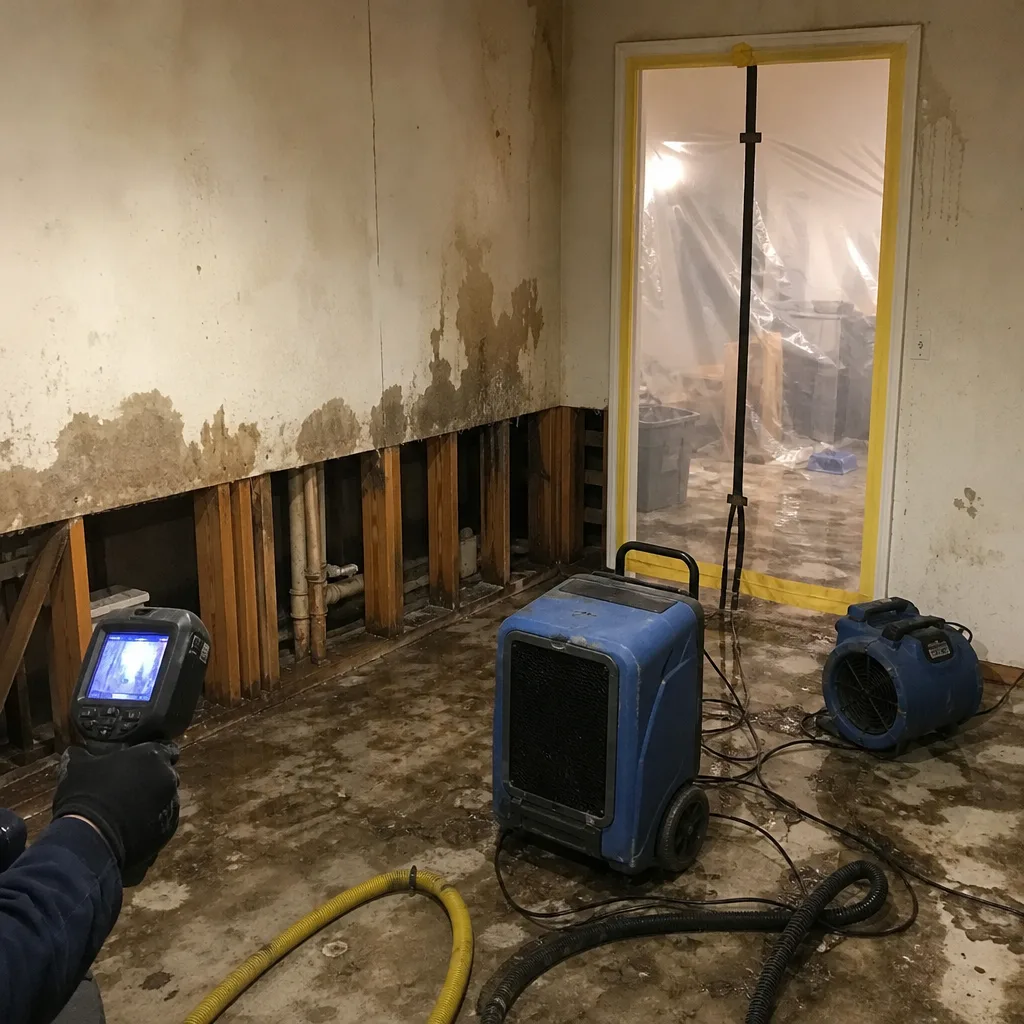 Before
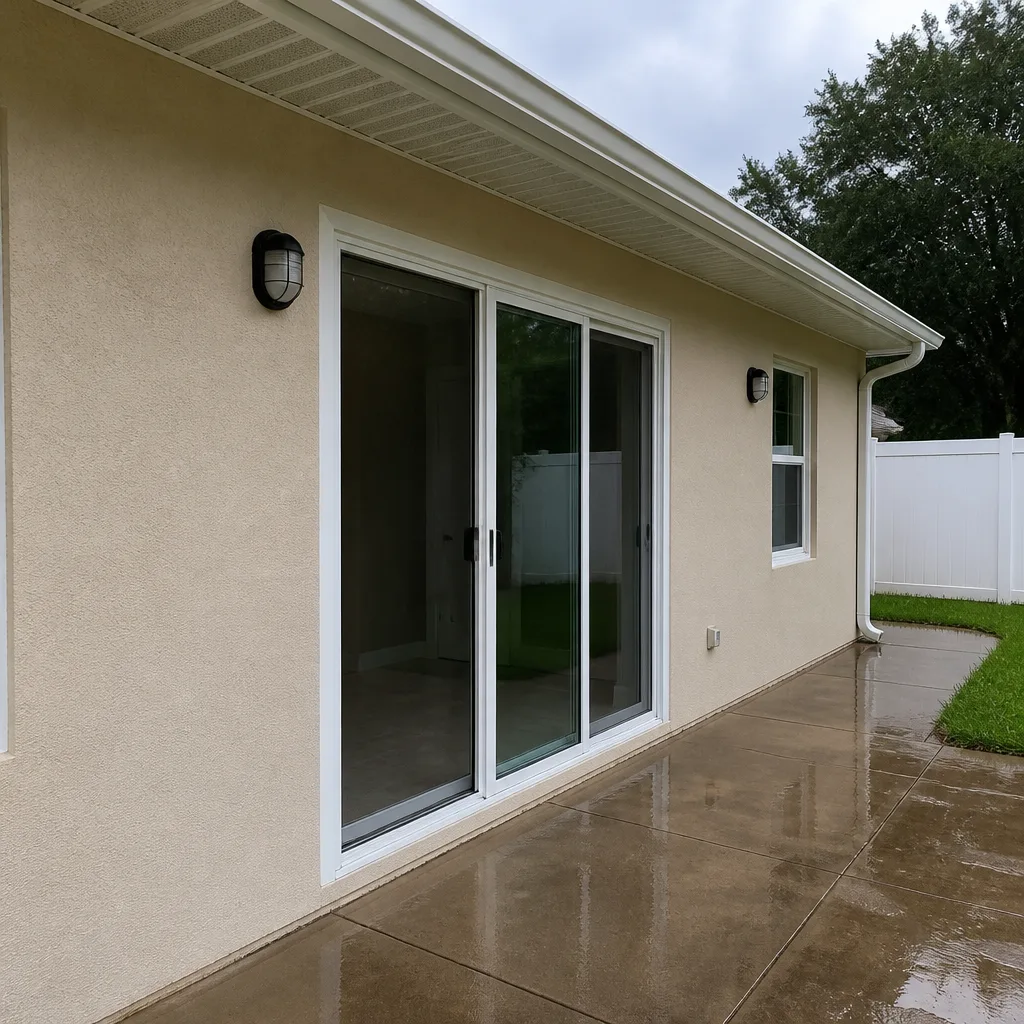 After
After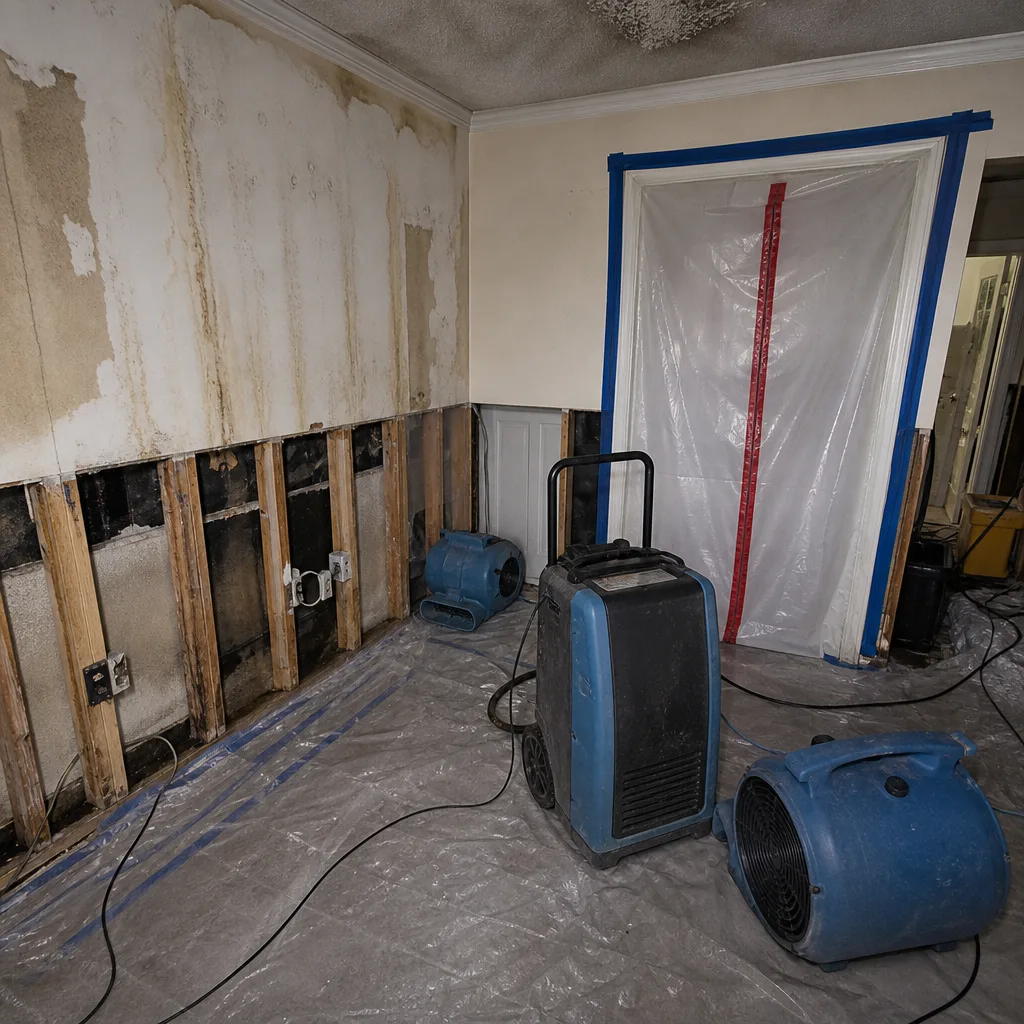 Before
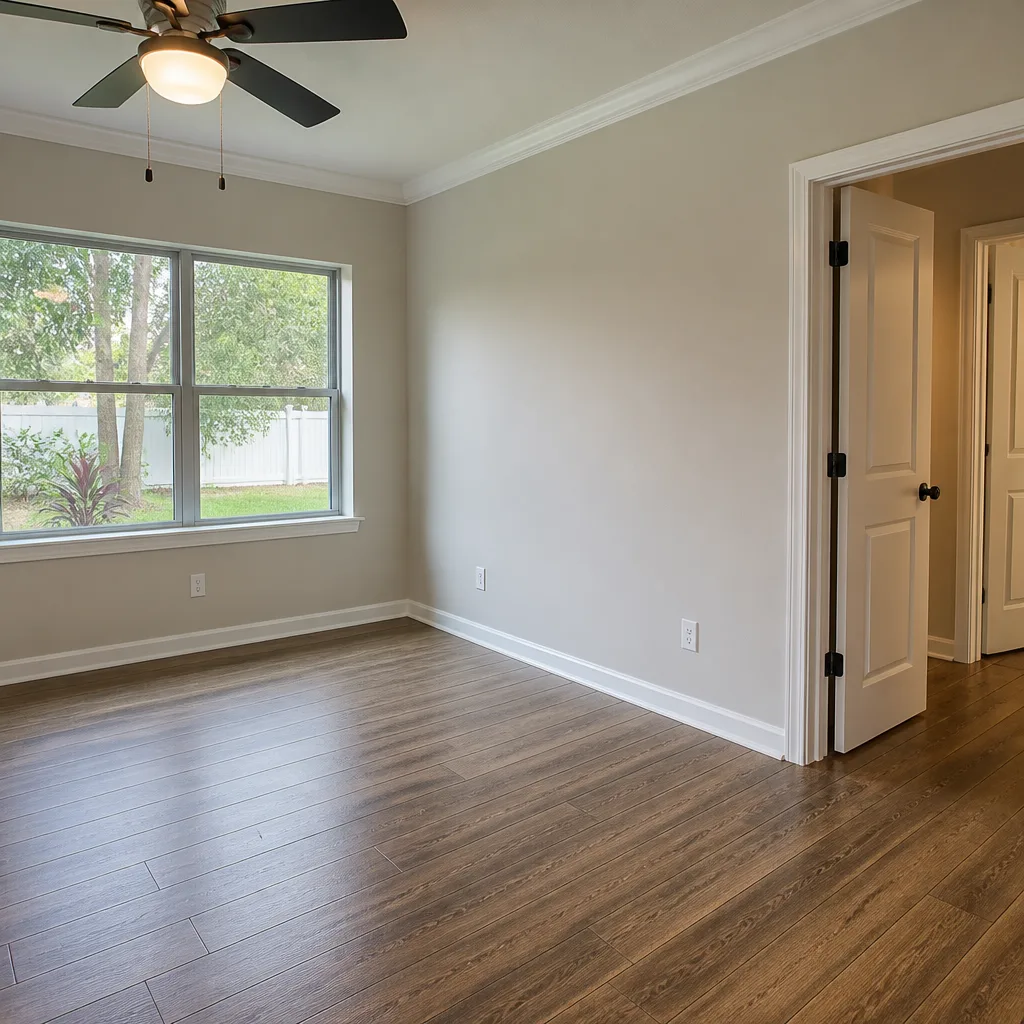 After
After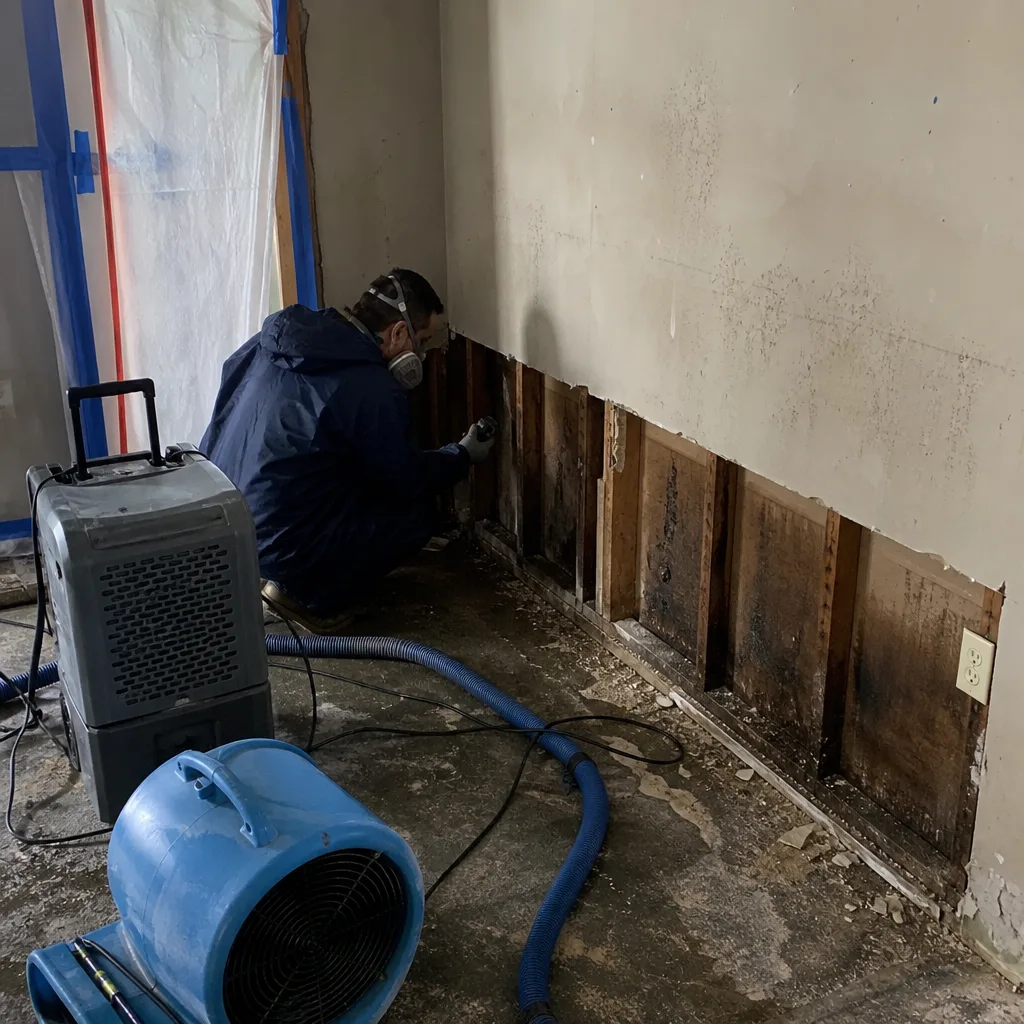 Before
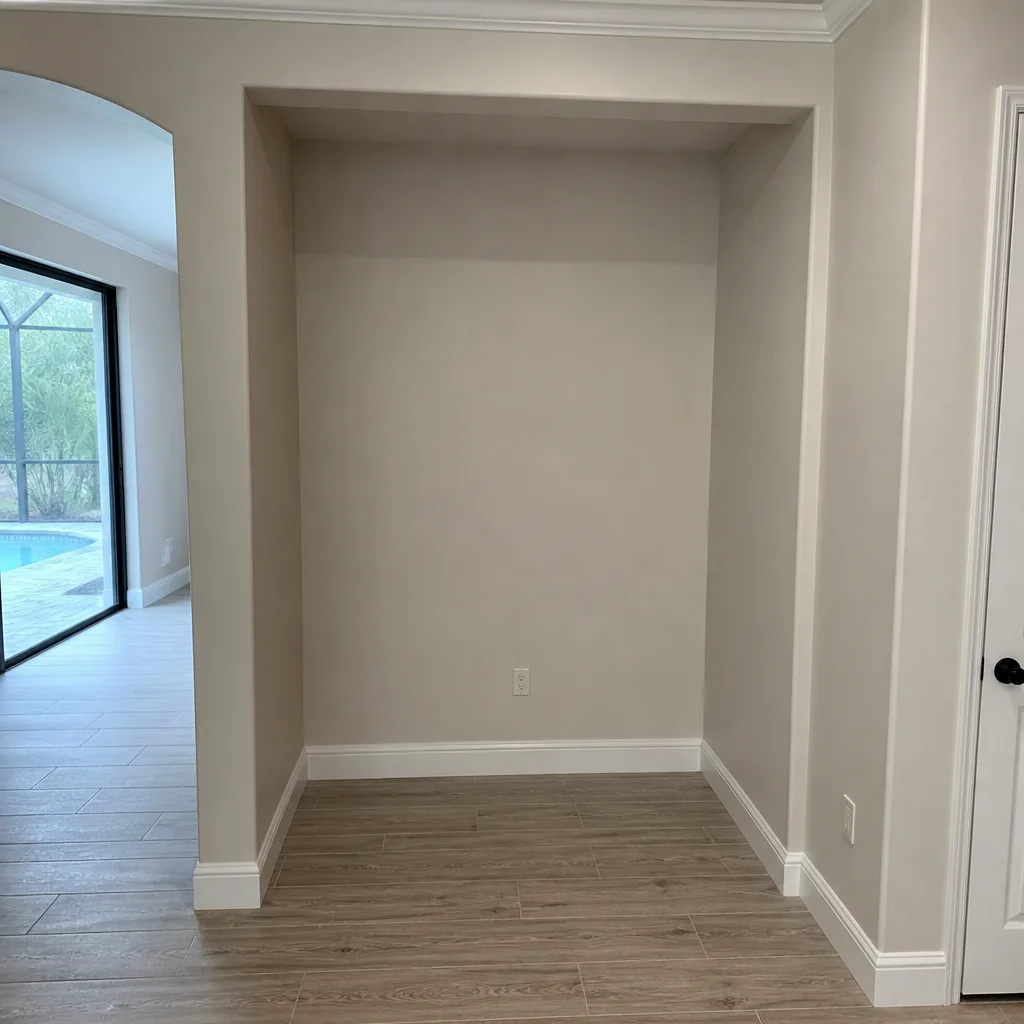 After
After