
Last updated October 16, 2026
 Water damage drying
 Fire & smoke cleanup
 Mold remediation
 Storm response
 Sewage cleanup
 Reconstruction
Free visual inspection and a written scope of work before any mitigation begins - photos, moisture readings, and drying logs go in your claim file
The scope we write is the scope we bill. Anything new gets shown to you, in writing, before we touch it.
Get your free estimateDamage Restoration Permits, Codes & Inspections in FL: What You Need to Know
In Florida, replacing more than 25% of a roof’s surface in any 12-month period triggers a full permit and inspection requirement, a threshold that’s remarkably easy to cross during even moderate storm repairs. A contractor who repairs a 30% swath of shingles after an afternoon thunderstorm and quietly skips the permit has just created a time bomb that sits quietly in the county records until you try to sell the house or file your next insurance claim. This guide explains which restoration projects need permits in Orlando, which don’t, what happens when someone cuts that corner, and how to protect yourself before the first tool touches your wall. For Damage Restoration Warning Signs: A Orlando Homeowner’s Reference Guide, see our companion post. We’ll walk through the state statutes that govern this work, the Orange County specifics, and the inspection process that determines whether your home is legally whole again.
Quick Answer
Most structural and mechanical restoration work in Florida, including anything touching framing, roofing, electrical, plumbing, or HVAC, requires a permit from Orange County, while surface-level work like paint, trim, carpet, and cabinet replacement is typically exempt. The state’s Substantial Improvement rule means restoration costs exceeding 50% of your home’s assessed value can force an upgrade of the entire structure to current code. Unpermitted restoration work becomes the homeowner’s legal liability, not the contractor’s, and it surfaces during sales, refinancing, and insurance claims.
Restoration work we handle
Table of Contents
- The Florida Building Code and Why It Changed After Hurricane Irma
- The 50% Rule: Understanding Florida’s Substantial Improvement Statute
- Orange County Permit Requirements: What Needs a Permit and What Doesn’t
- Reading a Permit: What “Closed” vs. “Finaled” Actually Means
- Mold Remediation Inspections: Who Actually Checks the Work
- What Happens When a Contractor Skips a Permit
- Step-by-Step: Getting a Restoration Permit in Orange County
- Common Mistakes to Avoid
- When to Call a Professional
- Frequently Asked Questions
The Florida Building Code and Why It Changed After Hurricane Irma
Florida operates under a single statewide building code, the Florida Building Code (FBC), which replaced the patchwork of local codes back in 2002. After Hurricane Irma tore through the state in 2017, the legislature updated the FBC again, and those updates created new permit triggers that specifically affect restoration work. The 25% roof surface threshold is the most well-known, but the code also tightened requirements around water intrusion barriers, window and door pressure ratings, and the moisture mitigation standards that apply when a home has been flooded or repeatedly exposed to high humidity.
For anyone in Orlando, this matters because the city sits in a wind-borne debris region with specific structural requirements. A restoration job that involves removing drywall down to the studs is no longer just a drywall job in the eyes of the county. It may trigger the requirement to bring the wall’s insulation, vapor barrier, and sometimes the electrical wiring up to current code before the cavity can be closed. That requirement applies even when the original wall was built decades ago under a far looser standard.
The code is not optional, and it is not something a contractor can waiver away. We have walked into Orlando homes where a previous crew hung new drywall over rot-damaged framing with no permit, no moisture reading, and no inspection. The wall looked fine for six months, then the mold bloomed behind the baseboard. The homeowner then had to pay twice: once for the bad work, and again for the permit, inspection, and correction of what should have been done the first time. When a restoration company says “we don’t need a permit for this,” our advice is to check that statement against the county’s written requirements or consult DIY vs Professional Damage Restoration: The Orlando Homeowner’s Decision Guide. That single phone call to Orange County’s permitting office can save the cost of an entire second remediation.
The 50% Rule: Understanding Florida’s Substantial Improvement Statute
Florida’s Substantial Improvement statute, codified in FBC Chapter 6, states that when the cost of restoring or improving a structure exceeds 50% of the structure’s assessed value, the entire building must be brought up to current code compliance. This is a federal requirement that flows down from FEMA’s National Flood Insurance Program, and Florida enforces it strictly. For an older Orlando home, whether in Thornton Park, College Park, or over in Conway, this rule can turn what looked like a $40,000 water damage restoration into a much larger project.
The math works like this. Suppose Orange County assesses the structure, not the land, at $150,000. You experience a sewage backup that floods half the first floor. The restoration estimate comes in at $80,000 because the damage includes flooring, lower drywall, base cabinets, and some electrical. That $80,000 is 53% of the assessed structure value. Under the 50% rule, the permit now triggers a county review of the entire home’s compliance with current code, not just the damaged areas. That can include seismic strapping, window impact ratings, and electrical panel upgrades that would not have been required under an ordinary restoration permit.
We have seen this catch Orlando homeowners off guard when the original damage estimate landed just under 50%, and then the adjuster’s supplement pushed it over. The best practice is to run the numbers before the restoration begins, and to keep every receipt, every adjuster’s report, and every change order in one place. If your home is older, particularly pre-1990 construction, assume the threshold is closer than the raw numbers suggest. Substantial Improvement calculations include the value of all repairs made in the prior 12 months, so sequential small projects can accumulate and cross the line without anyone noticing until the permit office runs the tally.
Orange County Permit Requirements: What Needs a Permit and What Doesn’t
Orange County’s permitting office, which serves unincorporated Orlando plus several neighboring communities, posts its permit requirements under the Florida Building Code. The list below reflects the scopes most common in damage restoration, and it is specific enough to use as a checklist. For How to Hire a Damage Restoration Contractor in Orlando: A Step-by-Step Guide, see our hiring resource. When the work stays on the surface, no permit is required. When the work reaches into the structure or the systems, assume a permit is required unless the county tells you otherwise in writing.
Restoration Scopes That Require a Permit in Orange County
- Structural drying that requires cutting into walls or ceilings: Removing drywall to dry a wall cavity is permitted work because it exposes framing and insulation.
- Roof decking replacement of any size, and roof covering replacement exceeding 25% of the roof surface in 12 months.
- Electrical work of any kind, including replacing an outlet that was submerged, running new wire, or replacing a breaker that failed during the event.
- Plumbing repairs beyond fixture replacement: replacing a section of pipe, repairing a sewer line, or installing a new water heater all require permits.
- HVAC ductwork replacement or the installation of a new air handler or condenser.
- Any structural repair, including sistering a floor joist, replacing a load-bearing wall section, or reinforcing a roof truss.
Restoration Scopes That Are Typically Permit-Exempt
- Surface cleaning and sanitizing of hard surfaces, tile, and grout.
- Furniture-level water extraction, including carpet cleaning and dehumidification of contents.
- Paint and trim work, including baseboard replacement that does not expose framing.
- Cabinet door and drawer front replacement that does not alter plumbing or electrical.
- Interior door replacement in existing frames.
One Orlando-specific nuance: the city of Orlando has its own permitting division with slightly different interpretations than unincorporated Orange County. If you live inside Orlando city limits, confirm requirements with the city’s Permitting Services. If you live in Winter Park, Maitland, or Apopka, you are under those municipalities’ codes. None of them are more lenient than the state code, but their application forms and fees differ.
Reading a Permit: What “Closed” vs. “Finaled” Actually Means
When you are buying a home in Orlando, the prior owner’s restoration work should be documented in county records. Orange County’s online portal, accessible through the county’s ePermits system, lets anyone search by address and pull the status of every permit ever issued on a property. The problem is that “Closed” and “Finaled” are not the same thing, and neither necessarily means the work was inspected properly.
A permit marked “Closed” can mean the permit was issued, work began, and the permit was administratively closed without a final inspection. That happens when a contractor walks off the job, the homeowner sells without following up, or the project was abandoned midway. A permit marked “Finaled” means a county inspector signed off on the work at the time it was performed. What neither status tells you is whether the work actually matches what was permitted, or whether the inspector’s sign-off addressed the whole scope.
Here is the sequence we recommend for any Orlando home purchase where restoration work appears in the disclosure or the listing:
- Pull the address in Orange County’s permit portal and list every permit issued and its status.
- For any permit showing “Issued” or “Closed” but not “Finaled,” assume the work may be incomplete and request the seller provide the final inspection report.
- Cross-reference each permit against the work you can see. A permit for a kitchen remodel that lists electrical work should have a corresponding electrician’s name on record.
- If the prior work involved water damage restoration, request the drying records and any moisture mapping the contractor produced. Not all companies keep these, but the ones that do can show you the wall was actually dried, not just painted over.
- Ask your Water Damage Restoration in Orlando contact to walk the property before closing. Unpermitted prior work is not always visible, but experienced eyes catch the common tells.
The hidden liability here is real. We worked with an Orlando buyer who discovered, after closing, that the previous owner’s “fully permitted” water damage restoration had been completed under a permit that was closed administratively but never finaled. The county had no file proving the electrical repairs passed inspection. When that buyer later filed a claim for an unrelated issue, the insurance company’s inspector found the unpermitted electrical work and used it to deny coverage for the affected wing of the house.
Mold Remediation Inspections: Who Actually Checks the Work
Here is a fact that surprises most Florida homeowners: the state does not require a government inspection for mold remediation. Unlike structural or electrical work, where the county sends an inspector to confirm code compliance, mold remediation has no equivalent state-mandated final inspection. What governs the work is a set of industry standards, primarily the IICRC S520 standard for professional mold remediation, and the most credible verification is a private post-remediation clearance test performed by an independent indoor environmental professional.
What this means in practice is that the only person who confirms your mold was actually removed is the person you hire to test for it. That independent professional takes air samples and surface samples after the remediation crew finishes, then compares them to baseline samples taken before the work began or to outdoor control samples. A proper clearance test should show the indoor spore counts returning to normal background levels for the species identified in the original assessment.
We have performed Mold Remediation in Orlando for years, and we tell every customer the same thing before we start: do not accept a verbal “it’s all clean” from anyone, including us, without the clearance test. The test is the only objective record that the air in your home is safe. It also becomes part of your file for any future real estate transaction or insurance claim. Our crews work to IICRC and RIA standards, and we coordinate directly with the independent testing company so the clearance report arrives before we take our equipment out. That sequence matters because a clearance test performed while drying equipment is still running can produce a falsely clean result.
What Happens When a Contractor Skips a Permit
If a restoration contractor performs work that required a permit and did not pull one, the legal liability for that work falls on the property owner, not the contractor. This is not a gray area in Florida. The building code places the responsibility for obtaining permits on the owner and the contractor jointly, but the code enforcement action from Orange County is directed at the owner. The contractor may face licensing consequences, but the county’s demand letter comes to your mailbox.
Here is the sequence we have seen play out across Orlando more times than we can count:
- A homeowner hires a handyman or unreferenced “restoration crew” to dry out a flooded room. The crew cuts out drywall, sprays a biocide, hangs new drywall, and leaves. No permit was pulled.
- Two years later, the homeowner files an insurance claim for a separate water leak in the same area. The adjuster pulls the address history and finds no permit for the prior work.
- The adjuster then asks for proof that the earlier work was performed to code. The homeowner has no receipts, no drying records, and no inspection paperwork.
- The claim is either denied for that portion of the home or reduced to a fraction of its value, and the insurance company flags the property for future underwriting.
Even without an insurance claim, unpermitted work surfaces during a home sale. A buyer’s inspector finds evidence of drywall replacement, the buyer’s lender requires a permit record, and the seller is suddenly negotiating a price reduction to cover the retroactive permit, which often requires exposing the work for inspection. Retroactive permits in Orange County are not automatically granted. The inspector has the right to require that the work be opened up to the studs so they can verify what was done. That means the seller pays for demolition, re-inspection, and reconstruction of work that looked complete for years.
Step-by-Step: Getting a Restoration Permit in Orange County
If you are managing a restoration project in Orlando that requires a permit, the process follows a predictable sequence. The steps below reflect unincorporated Orange County filings; city of Orlando and surrounding municipalities follow the same general flow.
- Determine the scope and the assignee. Decide whether you or your restoration contractor will pull the permit. State law allows either, but pushing the responsibility to the contractor in writing is the better practice.
- Prepare the documentation. You need a signed construction contract, a detailed scope of work, drawings or plans where required, and proof of insurance from the contractor.
- File the application online or in person. Orange County accepts permit applications through its ePermits portal. Fees vary by valuation and trade, so confirm the exact figure at filing.
- Receive the permit approval. The county reviews the application and issues the permit once the plan review is complete. The permit must be displayed at the job site.
- Complete the work in stages. Depending on the scope, the county may require inspections at specific milestones: after the framing is exposed, after electrical rough-in, after insulation, and at final.
- Schedule each inspection. You or your contractor calls the county’s inspection line, and the inspector visits within the scheduled window. The inspection result is recorded on the permit.
- Close out the permit. After the final inspection passes, the permit is marked “Finaled” and the file is closed. Keep a copy of the final inspection report for your records.
For restoration work involving structural drying behind drywall, Orange County inspectors typically want to see the exposed framing, the moisture readings from the drying log, and the placement of any vapor barrier or insulation before the cavity is closed. That is why a proper restoration company, like our team at Dryden Restoration Orlando home services, completes the drying phase first, documents the psychrometric readings (the measurements of air temperature, relative humidity, and moisture content that tell us when a wall is actually dry), and only then requests the framing inspection.
Common Mistakes to Avoid
- Believing “we don’t need a permit” without checking the county’s written guide. This phrase saves the contractor time and money. It does not save you anything. Pull the Orange County permit requirements for your specific scope before any work begins.
- Assuming the insurance company is tracking permits. They are not. Your adjuster is evaluating your claim, not filing your county paperwork. The permit is on you or your contractor, and if neither of you files it, the omission sits silently in the record until it costs you.
- Accepting the restoration company’s word that the mold is gone. No private mold clearance test equals no proof. In any future claim or sale, that matters more than you think.
- Ignoring the Substantial Improvement threshold. Older Orlando homes, especially those built before the current wind-load standards, are the most vulnerable to a surprise 50% rule trigger. Calculate before you commit.
- Closing a claim before the permit is finaled. Once the insurance check clears and your file is closed, the contractor’s incentive to complete the permit inspection drops to near zero. Keep the final inspection on the critical path.
- Treating all “Closed” permits as equal. “Closed” without “Finaled” is a red flag for any property you are considering buying. Pull the permit history on the Orange County portal before you write an offer.
- Hiring a restoration crew with no Orlando permit history. A contractor who has never pulled a permit in Orange County is not necessarily bad, but they are also not accountable to the local inspection process. Check the county’s contractor licensing records.
When to Call a Professional
Any time your restoration project involves the structural enclosure of your home, a licensed professional is the right call. That means whenever the work touches framing, roofing, load-bearing walls, electrical, plumbing, or the building envelope. Attempting to dry a flooded wall cavity without professional moisture mapping equipment is a known recipe for hidden mold, and hidden mold is what turns a $2,000 drying job into a $20,000 remediation later. For fire damage, Fire Damage Restoration in Orlando requires professional structural assessment, because heat-weakened framing can look intact while failing under load.
Dryden Restoration Orlando offers free estimates in Orlando, and we walk every estimate through the permit questions before the first tool is touched. Call (850) 786-4472 to schedule a walk-through. We are an independently owned and operated Kingswell company, and every job includes a written price before work begins, and a written 365-Day Done Right Promise that entitles you to a free return visit if any covered repair fails.
Frequently Asked Questions
It depends entirely on the scope. Surface-level drying and cleaning does not require a permit, but any restoration work that opens walls, touches electrical or plumbing, or involves structural repair triggers an Orange County permit requirement. When in doubt, confirm your specific scope with the county permitting office before work begins. If an Orlando company tells you no permit is needed for work that clearly reaches into the structure, get that statement in writing and check it against the county’s published requirements, or browse our more guides & resources.
No, standard homeowner’s insurance does not include permit management. The permit is your responsibility as the property owner, and your contractor’s if they agree to pull it in the contract. Your adjuster’s job is to evaluate the claim, not to file county paperwork. If the restoration work goes unpermitted and is later discovered, your insurance company will not retroactively cover the violation. Call (850) 786-4472 if you need help determining whether your specific restoration scope requires a permit, and we will help you sort it out.
Permit fees in Orange County range from roughly $60 for a simple trade permit to several hundred dollars for projects that include plan review and multiple inspections. The fee is calculated based on the valuation of the work, and you pay it at filing. It is a small fraction of the cost of an unpermitted work correction, which can easily run into the thousands once demolition, inspection, and reconstruction are factored in.
The 50% rule, formally the Substantial Improvement statute in the Florida Building Code, requires that any restoration project whose cost exceeds 50% of the structure’s assessed value must bring the entire structure up to current code compliance. This applies to the building’s assessed value, not the market value including land. It is triggered by the cumulative cost of all repairs in a 12-month period, which is why older Orlando homes with high damage estimates need a careful calculation before work begins. Our team includes this calculation in every free estimate for major water damage, because missing it is how homeowners get surprised by a code compliance bill they never saw coming.
No, Florida has no state-mandated government inspection for mold remediation. The work is governed by industry standards like the IICRC S520, and the only objective verification is a private post-remediation clearance test performed by an independent environmental professional. That clearance report is the document that proves your home’s air quality is restored. A company that tells you a clearance test is unnecessary is asking you to take their word on the health of your home. Call (850) 786-4472 for a mold assessment that includes a clear testing plan before remediation begins.
The property owner is legally responsible for bringing unpermitted work into compliance, even when the contractor was the one who skipped the permit. Orange County code enforcement actions are directed at the owner, and the enforcement process often requires opening up the completed work for inspection at the owner’s expense. The contractor may face licensing board complaints, but that does not relieve the owner of the county’s compliance requirements. Any time you see restoration work in a home you own or are buying, pull the permit history from the Orange County portal and resolve open items before closing or signing a contract.
The Bottom Line
Florida’s post-Irma building code updates did more than change wind ratings. They created permit triggers that now live inside ordinary restoration work, and the homeowners who get caught are the ones who trusted a verbal assurance over a written county document. The pattern we see across Orlando is consistent: the work gets done, the permit gets skipped, the file stays open, and the bill arrives years later, during a sale or an insurance claim, when the leverage is lowest. The way out is simple but it requires discipline: check the scope against the county’s written permit requirements before anyone touches the wall, pull the permit history on any property you are buying, and never let a final inspection fall off the project schedule. A Water Damage Restoration in Orlando done right includes the permit, the inspection, and the documentation. The alternative looks cheaper today and costs more every single time.
Written by Carl Brandt, Owner at Dryden Restoration Orlando, serving Orlando since 2005.
See the difference
 Before
 After
After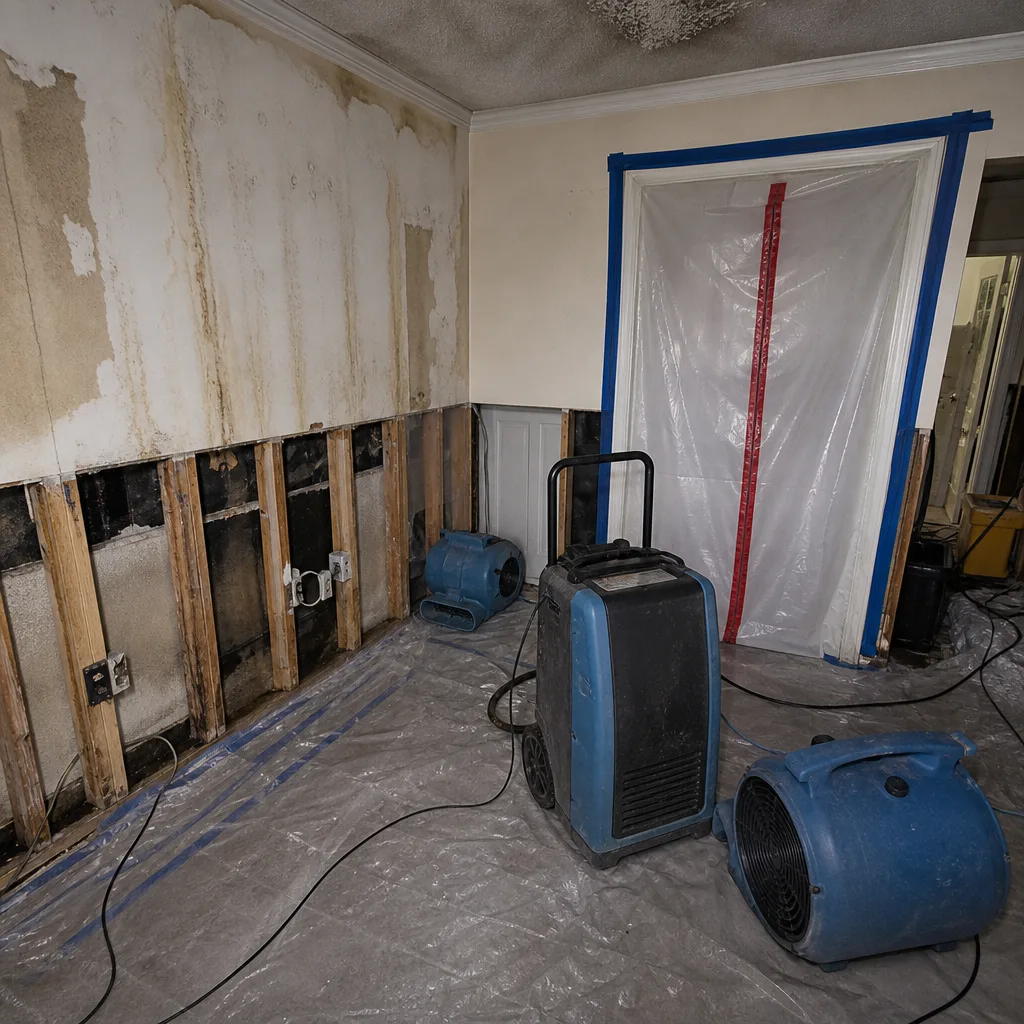 Before
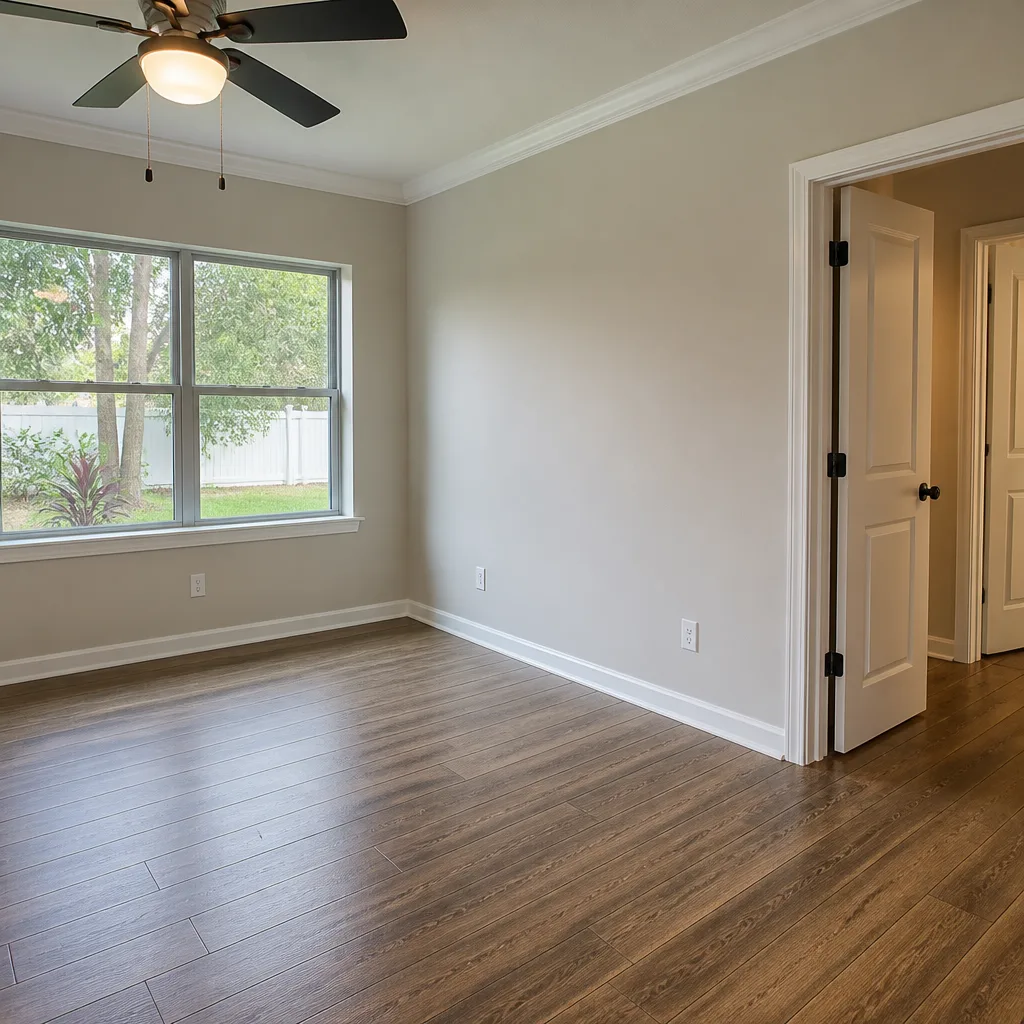 After
After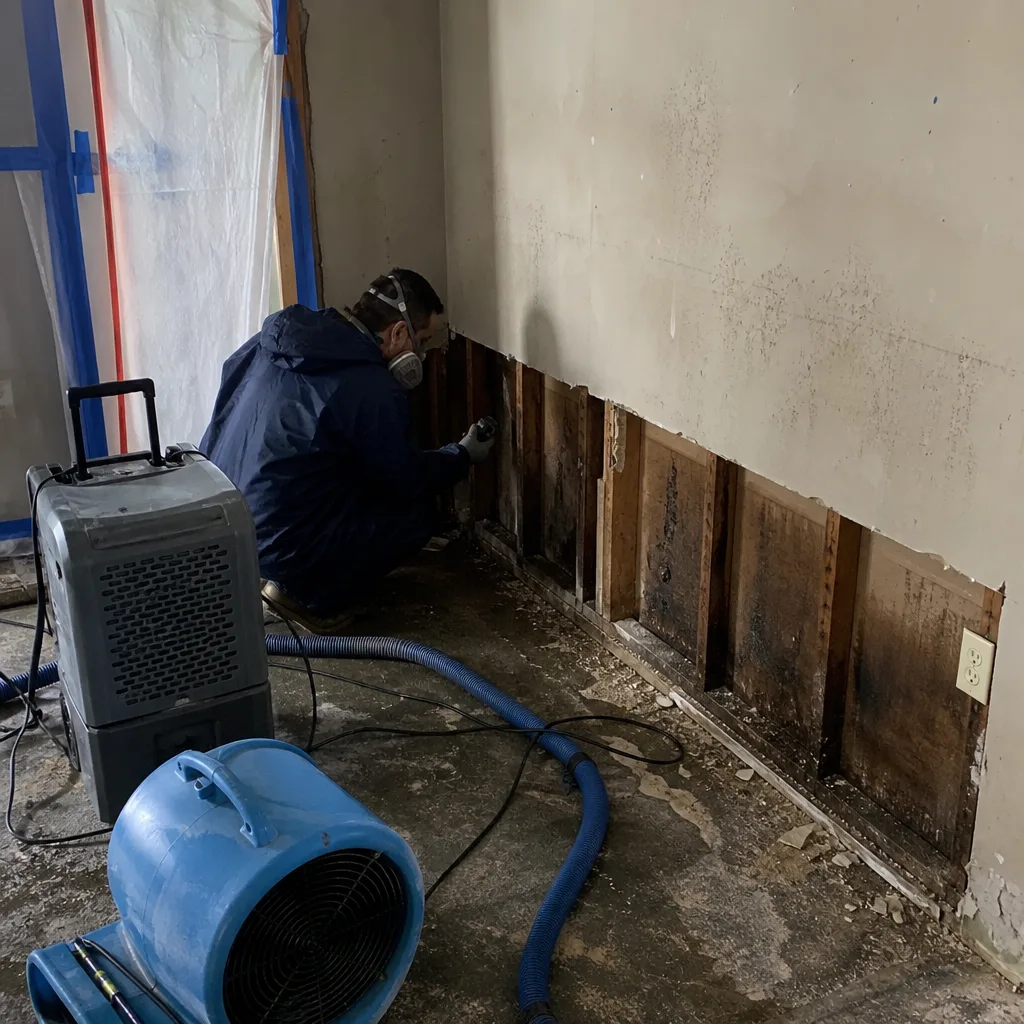 Before
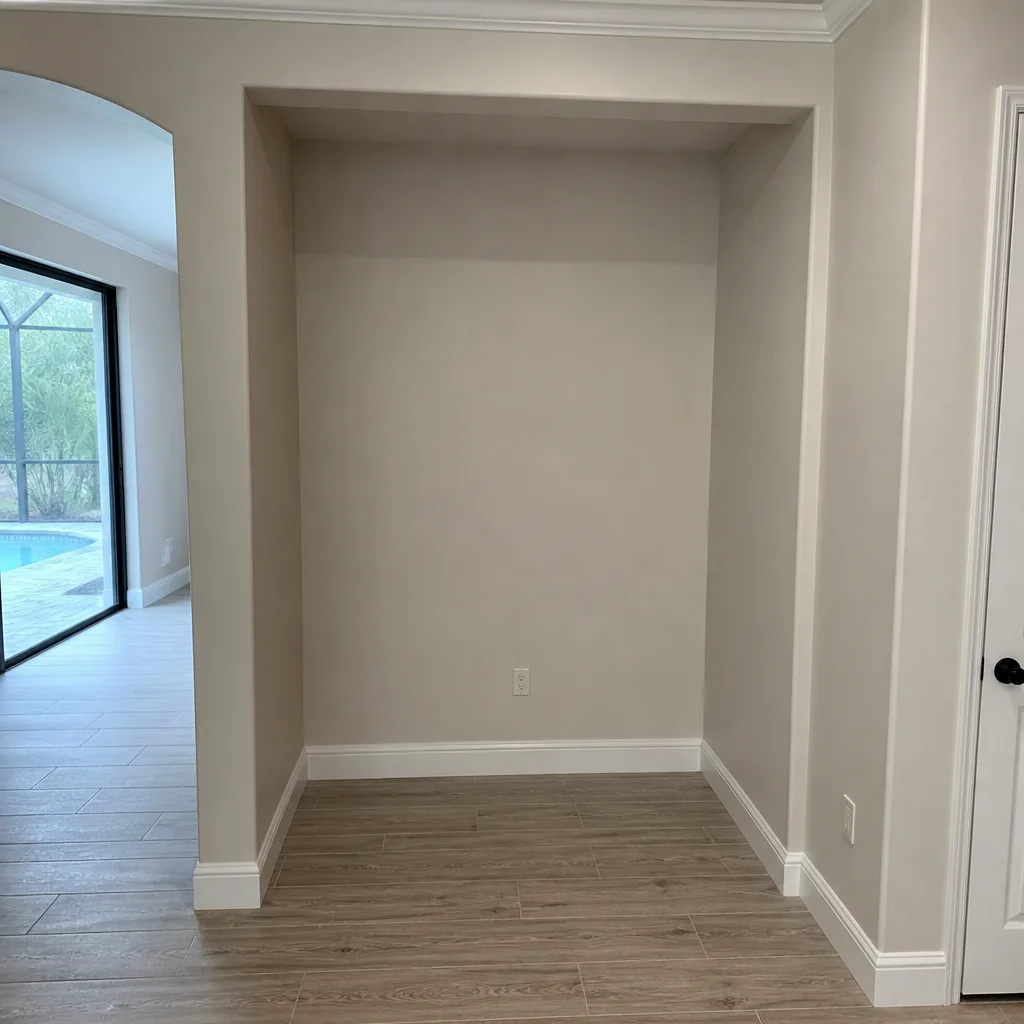 After
After